

Celebrate special occasions with authentic Alentejo wines
TL;DR:
- Choosing the right wine depends on the type of event and guests.
- Alentejo wines, like aged reserves, enhance special moments with authenticity.
- Appropriate serving temperatures and attention to food pairing elevate the wine experience.
There's something magical about choosing the right wine for a celebration. The bottle that graces a birthday table, a wedding dinner, or a family gathering carries much more than grapes and time. It carries memory, territory, and affection. But choosing well isn't always simple, especially when the market offers so many options and so little genuine guidance. This is where Alentejo wines make all the difference: with their warm soul, their aromas of ripe fruit, and their deep connection to the land, they transform any special occasion into an experience that is etched in the heart.
Index
- How to choose the perfect wine for each occasion
- Preparing the setting: temperature, glasses, and pairing
- Special dates and events to celebrate with Alentejo wine
- Sustainable and certified wines: conscious choice
- What the experts don't tell you about celebrating with Alentejo wine
- Discover more options and tips for your special event
- Frequently asked questions
Key Conclusions
| Point | Details |
|---|---|
| Choice adapted to the event | Each occasion calls for a different wine, aligned with the profile and atmosphere of the celebration. |
| Preparation maximises experience | Temperature, glasses, and pairing make all the difference for a memorable event. |
| Dates and festivals enhance the wine | Participating in regional events intensifies the authenticity of the celebration. |
| Sustainability is a trend | Certified options show commitment to quality and the region's future. |
| The secret is in the details | Celebrating with Alentejo wine is about authenticity, tradition, and sharing. |
How to choose the perfect wine for each occasion
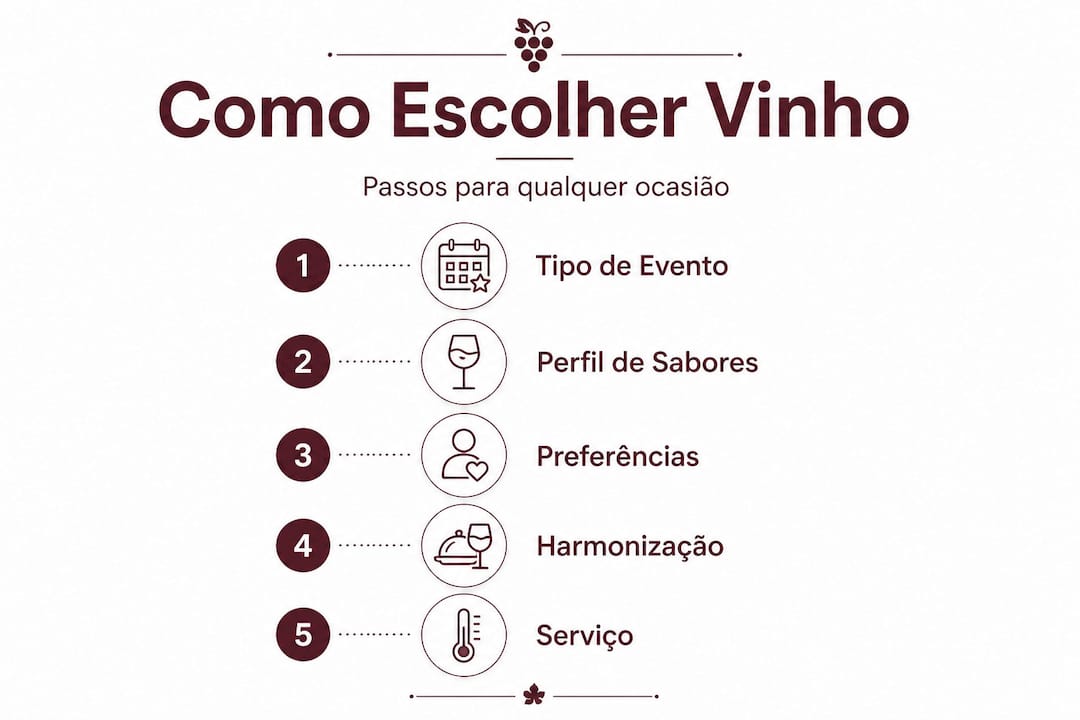
After understanding the value of celebrating with authenticity, it's essential to know how to choose the right wine for each moment. Not all wines suit all events. The choice begins by understanding the atmosphere and the people, even before thinking about grape varieties or regions.
For casual events, such as a gathering of friends in the garden or a picnic in the Alentejo sun, a young, fruity red is the right answer. These are relaxed, easy-drinking wines that encourage conversation without demanding excessive attention. For formal occasions, such as gala dinners, wedding anniversaries, or corporate celebrations, an aged oak reserve elevates the moment with complexity, structure, and elegance. And for family events, where the table is long and tastes vary, an aromatic white or a fruity Alentejo rosé usually pleases everyone.
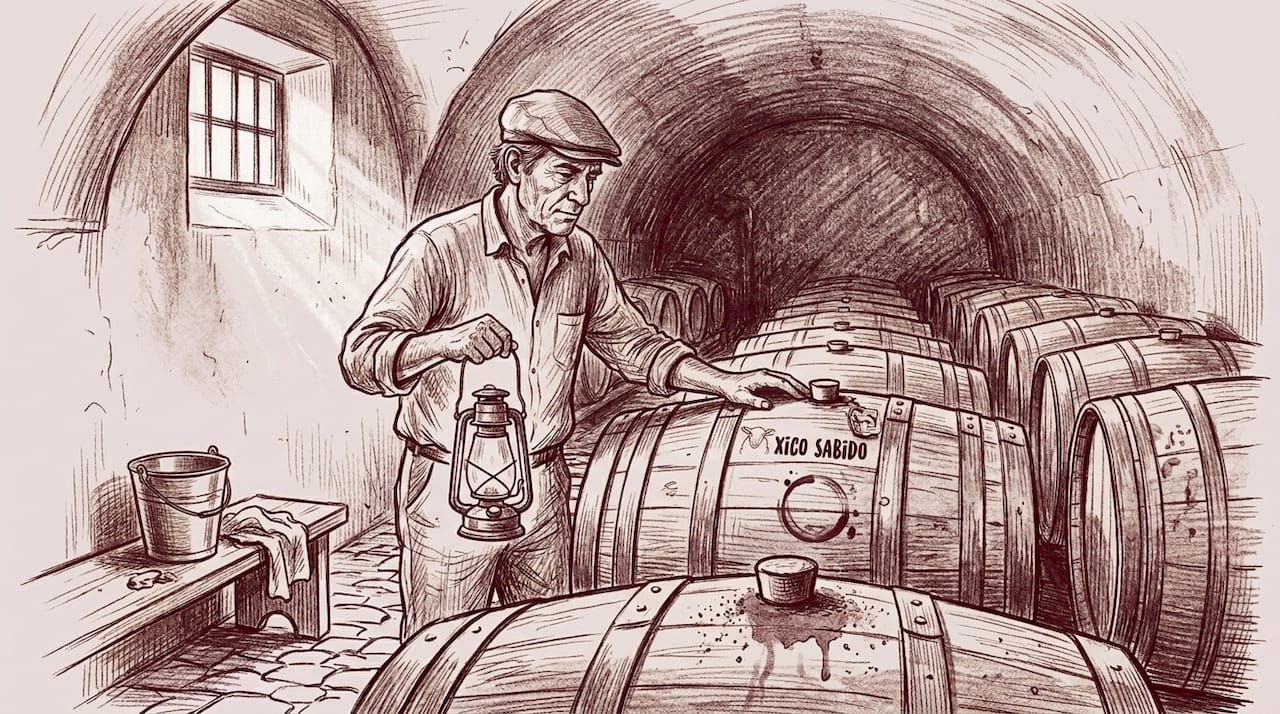
Alentejo is a region of delightful contrasts. As per the differentiated production by sub-region, Baixo Alentejo stands out for its tradition of "talhas" (clay amphorae) that produce natural and earthy wines, while the Évora region is known for its modern blends, where grape varieties such as Aragonez, Trincadeira, and Alicante Bouschet merge with elegance and personality. For those who want to explore styles and grape varieties in more depth, it's worth learning to recognise the fruit groups of each style.
| Type of event | Recommended wine style | Main characteristics |
|---|---|---|
| Casual/relaxed | Young red or rosé | Fruity, light, low tannin |
| Formal/elegant | Aged reserve | Structured, complex, long finish |
| Family/varied | Aromatic white or rosé | Versatile, fresh, balanced |
| Gourmet celebration | Modern Alentejo blend | Deep, full-bodied, harmonious |
| Traditional experience | Talha wine | Earthy, natural, mineral |
- Young reds: ideal for outdoor events or snacks
- Reserves: perfect for elaborate dinners with cured meats and cheeses
- Fresh whites: excellent with fish, seafood, and fresh cheeses
- Talha wines: a unique sensory experience, ideal for gifting or surprising
- Alentejo rosés: versatile and uncomplicated, for any time of day
Professional Tip: Before buying, think of the three most difficult guests to please. The wine that satisfies them all will likely work for the entire group.
Our wine selection guide delves into these criteria with practical examples that help you decide with confidence, even without being an expert.
Preparing the setting: temperature, glasses, and pairing
After choosing the ideal wine, it's time to prepare the setting for a complete experience. A good wine badly served loses much of its charm. Temperature, glass, and harmony with food are the three pillars of a well-executed wine celebration.
Serving temperature is a detail many ignore, but it changes everything. According to good service practices, reds should be served between 16 and 18°C, and whites between 10 and 12°C. A red served too warm loses freshness and tastes alcoholic. A white served too cold loses its most delicate aromas.
| Wine type | Ideal temperature | Chilling time |
|---|---|---|
| Red reserve | 16 to 18°C | No additional chilling |
| Young red | 14 to 16°C | 15 minutes in the fridge |
| Full-bodied white | 12 to 14°C | 45 minutes in the fridge |
| Fresh/aromatic white | 10 to 12°C | 1 hour in the fridge |
| Rosé | 10 to 12°C | 1 hour in the fridge |
| Talha wine | 14 to 16°C | Slight chilling |
- Remove red wine from storage at least 30 minutes before serving.
- Place white wine in the fridge the day before, but take it out 15 minutes before opening.
- Use wide-bowled glasses for reds, which allow for greater aeration and release of aromas.
- For whites, prefer narrower-bowled glasses that preserve temperature and concentrate aromas.
- At an event with several wines, always start with white and move on to reds, from lightest to fullest-bodied.
“Choosing the right glasses is like choosing the right frame for a photograph. The content might be perfect, but the presentation makes all the difference.”
Food pairing follows a simple logic: intensity calls for intensity. An Alentejo Alicante Bouschet, with its intense colour and firm tannins, pairs magnificently with a lamb stew or a roasted pork leg. A light, mineral white gracefully accompanies grilled fish or fresh goat cheese.
Explore the perfect wine and food combinations for detailed inspiration by dish and region. And if you want to delve deeper into the identity of the Alentejo terroir, the article on terroir, wines, and culture is a read that enriches any connoisseur.
Professional Tip: For longer celebrations, prepare a selection of two or three wines of distinct styles. Present each bottle with a brief story about its origin. This transforms the meal into an unforgettable cultural experience.
Special dates and events to celebrate with Alentejo wine
With the setting prepared, discover which dates and events are perfect for celebrating with authentic Alentejo wines. The Alentejo calendar is full of moments made for toasting, both for those who live in the region and for those who visit specifically for it.
ÉvoraWine, usually held in May, is one of the most anticipated wine fairs of the year. It brings together producers from across the region in a celebration that combines tasting, gastronomy, and culture in a World Heritage city. The Vidigueira Vinho festival, held in April, celebrates one of the most emblematic sub-regions of Alentejo wine, focusing on traditional grape varieties and talha wines.
The grape harvests, between September and October, are a unique experience of active participation in wine production. Many producers open their doors to visitors, allowing them to pick grapes, participate in foot-treading, and taste fresh musts. It is a ritual that unites generations and tells the story of the land with hands-on experience.
And there is a date that promises to be historic: Baixo Alentejo has been named European Wine City 2026, a title that recognises the cultural, historical, and gastronomic richness of the region. As recently announced, themed routes, guided tastings, and events are planned in various locations throughout the year. It's the perfect opportunity to organise a special visit and celebrate with wines directly from their homeland.
- ÉvoraWine (May): regional fair with tastings and gastronomy in the heart of Évora
- Vidigueira Vinho (April): event dedicated to the wines and traditions of the sub-region
- Grape Harvests (September to October): active participation in the harvest, ideal for groups and families
- Baixo Alentejo, European Wine City 2026: a whole year of celebrations and wine routes
- Local festivals and routes: many producers organise private tastings and winery visits throughout the year
To make each celebration even more special, do not underestimate the small decorative details. A well-laid table with decorative elements for special days creates an atmosphere that enhances the wine even before it is opened. The right environment prepares the senses and increases pleasure.
Note: The title of European Wine City 2026 positions Baixo Alentejo on the European wine tourism map. An extra reason to visit the region and discover its talha wines, its olive groves, and its genuine hospitality.
Sustainable and certified wines: conscious choice
To further elevate your celebration, consider choices that value sustainability and regional tradition. In a world increasingly attentive to environmental impact, choosing a certified wine is a gesture that goes beyond taste.
Alentejo is a pioneer in this area. About a third of the vineyards already have WASP (Wine and Agriculture Sustainability Protocol) certification, which ensures responsible practices in soil, water, and biodiversity management. Choosing a wine with this seal means supporting a healthier ecosystem for future generations.
How to identify these conscious choices:
- Look for the WASP seal on the label or in the producer's information
- Prefer producers who disclose their agricultural practices on their website or bottle
- Opt for limited production wines, which often result from more careful and attentive viticulture
- Choose indigenous grape varieties such as Aragonez, Trincadeira, or Moreto, which adapt naturally to the climate and require less chemical intervention
- Ask the producer about certifications and vineyard practices. Truly sustainable brands proudly share this information
Sulphite-free wines and natural alternatives are also gaining space in celebrations for those who value authenticity above all else. To better understand the Alentejo grape varieties and understand which ones best fit each celebration, there is a rich world of local varieties waiting to be discovered.
Professional Tip: Present sustainable wine as part of the celebration's story. Telling where it comes from, how it was produced, and what practices it respects transforms a toast into a moment of shared awareness and culture.
When you decide to buy Alentejo wine with discernment, you are supporting local producers, preserving ancestral traditions, and contributing to the development of rural communities who live for their love of the land.
What the experts don't tell you about celebrating with Alentejo wine
There's a truth rarely spoken publicly: celebrating with wine isn't about spending more, it's about choosing better. The popular belief that a more expensive wine is automatically more suitable for a special occasion is one of the biggest misconceptions in Portuguese wine culture. Many high-priced reserves shine in a glass but intimidate at a table full of relaxed people.
The most common mistake observed at events is choosing wine without considering the guests' profiles. A talha wine from Baixo Alentejo can be a revelation for someone curious and adventurous, but it can disconcert a connoisseur who expects the comfort of a conventional blend. The difference between sub-regions is real and profound: Évora produces modern and polished blends, while Baixo Alentejo preserves the living memory of talhas and ancestral winemaking. Knowing this difference is the first sign of a truly attentive host.
Authenticity lies in the small regional details. A bottle with history, a producer with a face, a wine that tells where it comes from and who made it: that's what transforms an ordinary celebration into a lasting memory. The Alentejo terroir is not just soil and climate. It is the sum of everything a community has built over centuries of work, respect, and passion for the land.
Celebrating well doesn't require technical perfection. It requires intention, curiosity, and the generosity of sharing something genuine with loved ones.
Discover more options and tips for your special event
Now that you have a complete guide to turning every celebration into a memorable moment, it's time to put your ideas into practice. At Xico Sabido, you'll find Alentejo wines produced in small quantities, with regional soul and stories worth telling.

Explore the Alentejo wine route for inspiration on unmissable places and productions. If you want to discover one of the region's most fascinating grape varieties, the article about Alentejo's red jewel reveals everything about Alicante Bouschet and its unmistakable character. And when you're ready to elevate your next event, buy Alentejo wine directly from our shop, with delivery throughout Portugal. Xico Sabido's "Compinchas" already know: each bottle is an invitation to celebrate life with authenticity and genuine flavour.
Frequently asked questions
What are the best temperatures for serving wine at events?
Red wines should be served between 16 and 18°C and white wines between 10 and 12°C, to best highlight their flavours and aromas.
Which Alentejo dates and events are not to be missed for celebrating with wine?
ÉvoraWine in May, Vidigueira Vinho in April, and the grape harvest between September and October are the most emblematic events for celebrating with authentic wines from the region.
How to ensure the wine pairs well with the dish served?
Always pair by intensity: full-bodied wines with rich and robust dishes, light wines with more delicate and subtle dishes.
What distinguishes a sustainable wine in Alentejo?
About a third of the vineyards have WASP certification, which ensures internationally recognised responsible agricultural practices.
Recommendation
- Alentejo Wine Route: the 10 best places - Xico Sabido
- Alentejo Terroir: Wines, Culture and Tradition - Xico Sabido
- Buy Portuguese Alentejo Wine: 30% of National Production
- Alicante Bouschet: The Red Jewel of Alentejo - Xico Sabido
- Our Wines - Res Fortes
- Wine Tastings in Titisee | Exclusive Events at Lando’s – Lando’s