

How to store wine at home: a practical guide to conservation
Opening a bottle of wine only to find it has lost its aromas and flavour is frustrating. Many wines lose quality due to inadequate home storage, but it doesn't have to be this way. This guide presents the essential care needed to store wine correctly, preserving its characteristics for months or years. By following these practical guidelines, you will prolong the life and quality of your wine without needing professional equipment.
Table of Contents
- Key takeaways
- Prerequisites for good wine storage
- Essential steps for home wine storage
- Common mistakes and how to avoid them
- Home storage alternatives without a professional cellar
- Duration and preservation of opened wine
- Expected results and success metrics
- Discover more about wines with Xico Sabido
- What is the ideal temperature for home wine storage?
Key takeaways
| Point | Details |
|---|---|
| Ideal temperature | Maintain between 10°C and 14°C with minimal variations to preserve wine aromas and structure |
| Controlled humidity | Ensure 50% to 80% to prevent corks from drying out and oxygen entering the wine | Bottle position | Store wines with natural corks horizontally to maintain contact with the seal |
| Environmental protection | Avoid direct light, constant vibrations, and strong odours in the storage location |
| Opened wine | Consume within 3 days using an appropriate stopper and refrigeration to maintain freshness |
Prerequisites for good wine storage
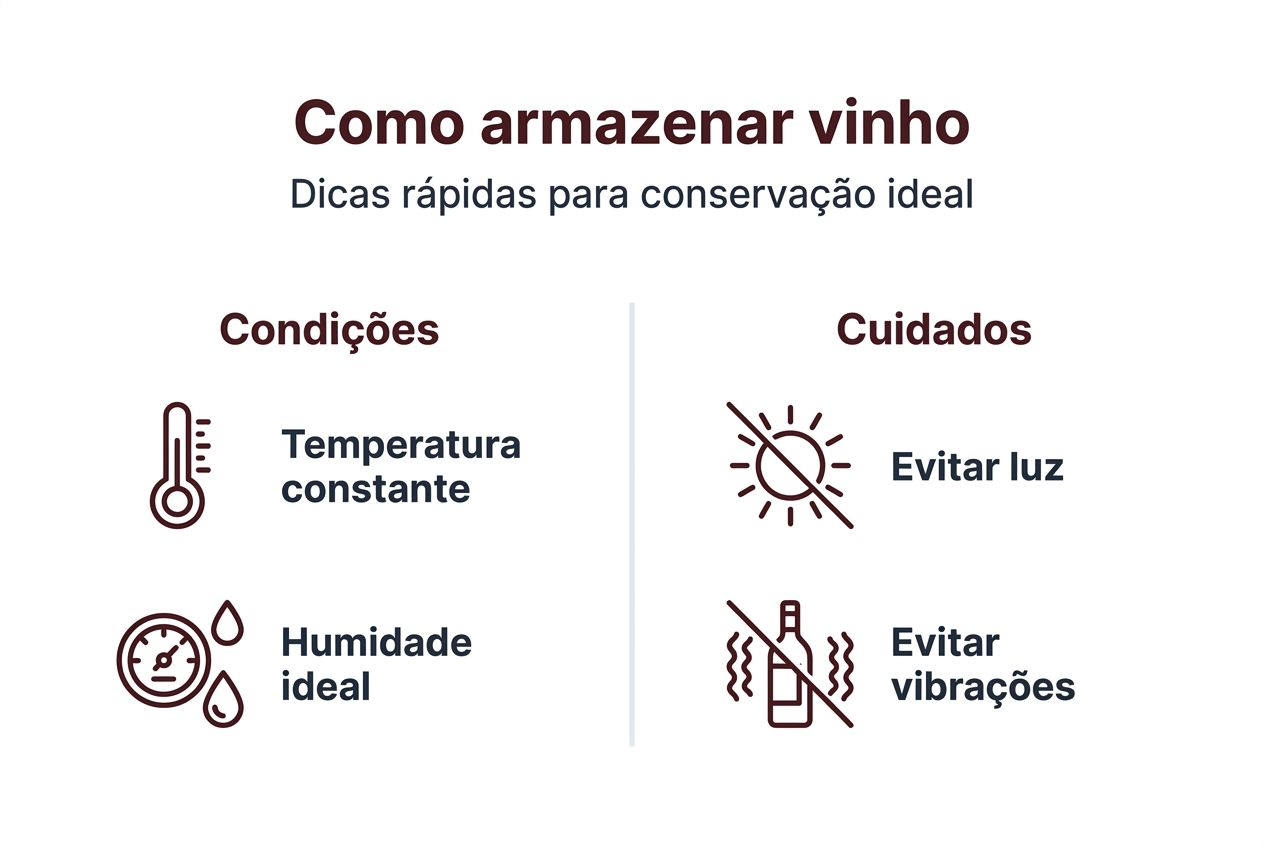
Before you start storing wine, you need to meet the basic conditions that protect the quality of the beverage. The first requirement is a constant temperature between 10°C and 14°C, as variations accelerate ageing and alter the wine's structure.
Humidity between 50% and 80% keeps corks moist, preventing dryness that would allow air to enter. Dry corks contract and let oxygen penetrate, oxidising the wine rapidly.
The ideal location should be dark, cool, and well-ventilated. Sunlight and strong artificial light degrade aromatic compounds through UV rays. Intense odours from cleaning products, spices, or food can penetrate through the cork and contaminate the wine over time.
Useful equipment for storage:
- Domestic wine fridge for precise control
- Thermometer and hygrometer to monitor conditions
- Horizontal shelves for corked bottles
- Vacuum pump for opened wines
| Seal type | Recommended storage | Typical duration |
|---|---|---|
| Natural cork | Horizontal (mandatory) | 5 to 20 years |
| Synthetic cork | Horizontal (preferable) | 2 to 5 years |
| Screw cap | Vertical (allowed) | 2 to 3 years |
Knowing the type of seal helps choose the best storage position. Natural corks require constant contact with the wine to maintain elasticity. Screw caps and synthetic corks are less sensitive to position but benefit from stable conditions. To learn more about proper storage practices, explore specialised resources.
Professional Tip: Avoid areas with heat-generating or vibrating appliances, such as washing machines or heaters. Even subtle vibrations disturb sediments and accelerate unwanted chemical reactions in the wine.
For detailed storage guidelines, consult experts who explain nuances of temperature and humidity. Understanding these fundamentals allows you to create ideal conditions even without a professional cellar, following the appropriate method for safely storing wines.
Essential steps for home wine storage
Implementing correct storage requires following specific steps that protect the wine's characteristics. Each step has a scientific purpose to prevent premature deterioration.
1. Control ambient temperature
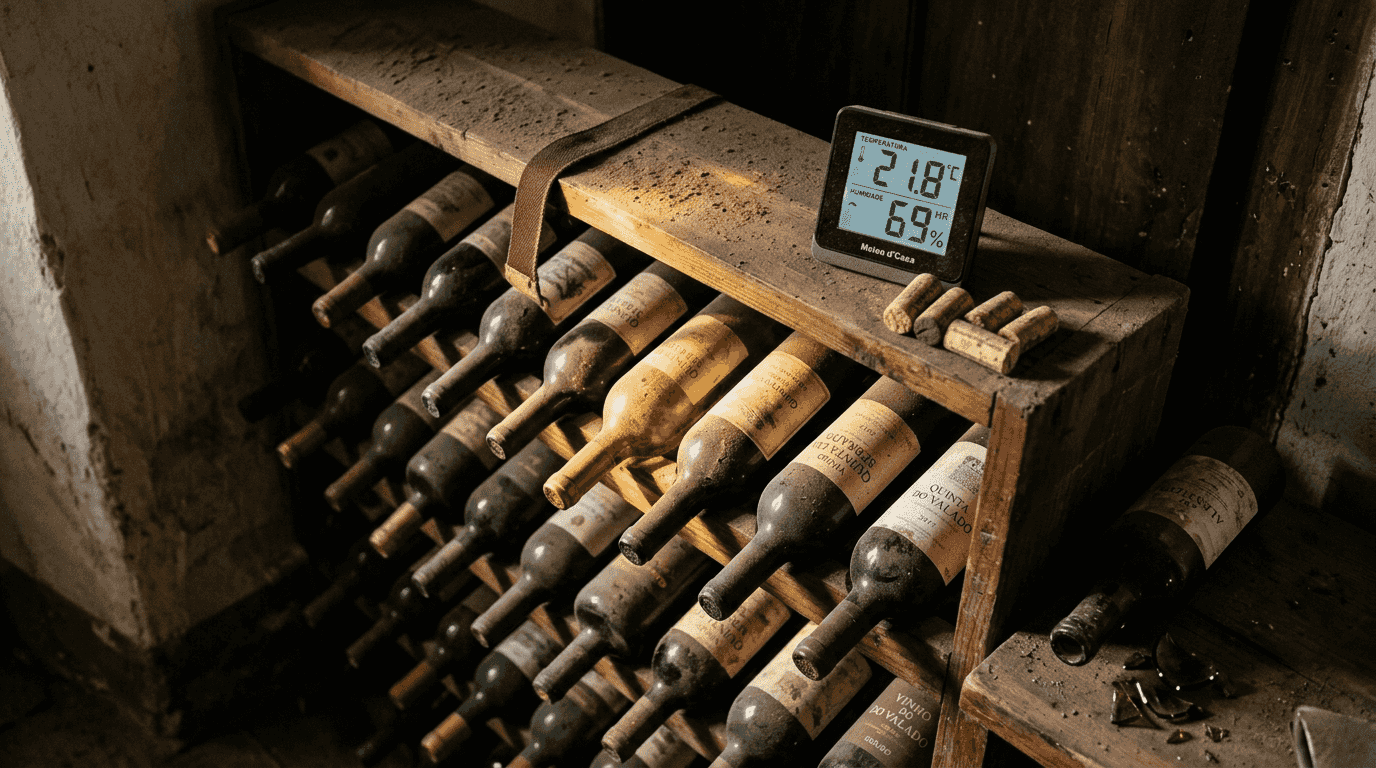
Keep the room between 10°C and 14°C throughout the year. Variations greater than 4°C or 5°C force the wine to expand and contract within the bottle, creating pressure that pushes the liquid through the cork. This movement accelerates oxidation and alters the aromatic profile.
2. Position bottles horizontally
Storing bottles with natural corks horizontally keeps the seal moist and elastic. The horizontal position ensures permanent contact between wine and cork, preventing dryness and air entry. Screw-cap bottles can be stored vertically without harm.
3. Eliminate light exposure
Protecting against direct light prevents photochemical degradation of aromatic compounds. UV rays break down molecules responsible for aromas, creating unpleasant flavours known as "light-struck." Use curtains, closed cabinets, or dark wine racks.
4. Minimize vibrations
Wines need absolute rest. Constant vibrations, even subtle ones, disturb sediments and accelerate chemical processes that alter flavour. Avoid locations near busy roads, appliances, or high-traffic areas.
5. Monitor humidity
Ideal humidity preserves corks without creating mould. Below 50%, corks dry out and contract. Above 80%, fungi appear on labels and capsules. Use a hygrometer to check regularly and adjust with humidifiers or dehumidifiers as needed.
6. Isolate from strong odours
Wines absorb aromas through porous corks over months. Keep bottles away from cleaning products, paints, fuels, or aromatic foods. Olfactory isolation is crucial to preserving the purity of original aromas.
Professional Tip: Create a dedicated wine zone, even if small. A closed cabinet in a cool room, away from the kitchen and utility areas, offers sufficient protection for most regularly consumed wines.
To discover suitable locations at home, identify spaces with naturally stable temperatures. Cellars, interior pantries, and stairwells are often ideal. The correct way to store combines all these elements into a simple but effective system. Following these steps ensures each bottle retains the qualities the producer intended, allowing you to enjoy the wine as it was designed, with adequate protection against environmental factors.
Common mistakes and how to avoid them
Even with good intentions, many enthusiasts make mistakes that compromise wine quality. Recognizing these pitfalls allows you to correct them before causing irreversible damage.
Storing wine in the kitchen
Storing in the kitchen exposes wine to extreme thermal fluctuations and intense odours. Stoves, ovens, and refrigerators create constant temperature variations. Aromas of spices, garlic, and cleaning products penetrate through corks, altering the wine's profile.
Allowing excessive thermal variations
Abrupt temperature changes force wine to expand and contract rapidly. This movement breaks down delicate compounds and accelerates ageing uncontrollably. Variations exceeding 4°C or 5°C in a few hours cause permanent damage to the wine's molecular structure.
Storing bottles vertically
Keeping wines with natural corks in a vertical position dries out the seal in weeks or months. Dry corks lose elasticity, contract, and allow oxygen entry. The resulting oxidation transforms fresh wines into flat, vinegary beverages quickly.
Exposing to direct sunlight
South or west-facing windows create destructive environments for wine. Even through glass, UV rays break down phenolic compounds responsible for colour, aroma, and structure. White and rosé wines are especially vulnerable to photochemical degradation.
Improperly preserving opened wine
Leaving opened bottles at room temperature without protection dramatically accelerates oxidation. Constant contact with air transforms alcohol into acetaldehyde and then into acetic acid, creating vinegar flavour and aroma in 24 to 48 hours. Refrigeration and proper sealing are essential.
Other frequent mistakes:
- Placing bottles near sources of vibration like refrigerators or machinery
- Ignoring humidity, allowing dry corks or excessive mould
- Mixing wines with chemicals or aromatic foods
- Using wine racks without temperature control in warm environments
To explore technical conservation terminology, familiarise yourself with concepts such as oxidation, reduction, and aromatic evolution. Understanding these terms helps recognise signs of deterioration early. Safe conservation practices are based on scientific principles that, when applied consistently, prevent the most destructive errors.
Home storage alternatives without a professional cellar
You don't need a professional cellar to store wine properly. There are practical and economical solutions that create adequate conditions in any home.
Domestic wine coolers
Wine coolers offer precise temperature and humidity control in compact spaces. Basic models accommodate 12 to 30 bottles and cost between €200 and €600. These units maintain stable conditions regardless of external temperature, protecting against seasonal variations.
Natural cool places
Interior pantries, stairwells, and partial cellars work well without specialized equipment. These spaces typically maintain temperatures between 12°C and 16°C throughout the year. Check the temperature over several months before storing valuable wines.
Common refrigerator for short term
The kitchen refrigerator is suitable for opened wines and bottles you will consume in days or weeks. Temperatures between 4°C and 8°C slow down oxidation, but are not ideal for prolonged storage. Motor vibrations and low humidity limit its usefulness for long-term preservation.
| Solution | Capacity | Cost | Best for |
|---|---|---|---|
| Wine cooler | 12 to 200 bottles | €200 to €2000 | Medium-term collection |
| Cool pantry | Variable | Free | Consumption within months |
| Insulated cabinet | 20 to 50 bottles | €100 to €300 | Table wines |
| Refrigerator | 6 to 12 bottles | Free | Opened wines |
Monitoring without expensive equipment
Simple digital thermometers (€10 to €30) and basic hygrometers (€15 to €40) allow you to check conditions regularly. Place sensors in the storage location and record readings weekly for a month to identify patterns and problems.
Low-cost improvements:
- Thermal curtains or blinds to block sunlight
- Door and window insulation to stabilise temperature
- Styrofoam boxes to create stable microclimates
- Wooden shelves for horizontal organisation
Professional Tip: Interior stairwells are often overlooked but offer naturally cool and dark conditions. Install simple shelves and monitor the temperature for a month before committing your collection.
To explore natural preservation methods, consider wines with fewer additives that also benefit from proper storage. Domestic wine coolers represent a smart investment for those who buy wines regularly and wish to maximise quality over time. Even simple solutions significantly improve preservation compared to careless storage.
Duration and preservation of opened wine
Opening a bottle starts a clock that cannot be completely stopped, only slowed down. Understanding how to manage opened wine prevents waste and ensures quality to the last glass.
Opened wine can be preserved for up to 3 days with proper care, but deterioration begins immediately upon contact with air. Oxygen transforms alcohol into acetaldehyde and later into acetic acid, progressively creating unpleasant aromas and flavours.
Methods to prolong freshness:
- Original or specific stopper: Reinsert the cork firmly or use silicone stoppers that create an airtight seal
- Vacuum pump: Removes air from the bottle, reducing available oxygen for oxidation (extends 1 to 2 extra days)
- Refrigeration: Low temperatures significantly slow down chemical reactions, applicable to reds and whites
- Transfer to smaller bottle: Reduces empty space and air contact by transferring wine to a 375ml container
Signs of deterioration:
- Loss of characteristic fruity and floral aromas
- Development of a vinegary or oxidised aroma
- Flat taste, lacking vibrancy or freshness
- Brownish colour in white wines or greyish in reds
Robust red wines with high tannins resist better than delicate whites or sparkling wines. Fortified wines like Port or Madeira last weeks after opening due to their high alcohol content which inhibits oxidation.
Avoid leaving opened bottles on kitchen counters or in hot locations. Even with a cork, temperatures above 20°C dramatically accelerate degradation. Refrigerate immediately after serving, even reds that will warm up quickly in the glass.
To learn how to open and enjoy wine properly, develop techniques that minimise air exposure from the start. Post-opening preservation practices are as important as storing closed bottles for enthusiasts who value every drop.
Expected results and success metrics
Knowing if you are storing wine correctly requires objective criteria to evaluate the success of your practices. These metrics help identify problems before they significantly affect quality.
Thermal stability
Temperature should remain between 10°C and 14°C with variations less than 2°C over 24 hours. Record daily readings for a week to check consistency. Minimal fluctuations indicate that the location offers adequate protection against environmental changes.
Controlled humidity
Keep readings between 50% and 80% throughout the year. Corks of bottles stored for months should feel slightly moist to the touch, not dry or brittle. Visible mould or stained labels indicate excessive humidity that needs correction.
Aromatic Preservation
Wines stored correctly retain their characteristic aromas when opened, even after months or years. Compare bottles from the same case, one stored properly and the other in poor conditions. The difference in aromas and flavors reveals the impact of your practices.
Cork Integrity
An ideal cellar maintains a constant temperature of 14ºC and 75% humidity to preserve natural corks. Check corks periodically; they should remain elastic and show no signs of dryness, cracks, or excessive mold.
Measurable Success Indicators:
- Zero bottles with leakage or pushed-out corks
- Opened wines maintain quality for 3 full days
- Absence of strange or oxidized aromas in recently opened bottles
- Sediments remain at the bottom, not dispersed by vibration
- Labels and capsules intact with no moisture damage
Periodic Verification
Open a control bottle every 3 to 6 months to assess evolution. Table wines should show fresh and balanced characteristics. Fine wines gradually develop complexity without losing fundamental structure.
To understand how wines evolve over time, observe subtle changes in color, aroma, and texture. These ideal cellar conditions serve as a reference for evaluating your own storage space; even if it doesn't achieve professional perfection, you can get significantly close with attention to detail.
Discover more about wines with Xico Sabido
Now that you understand how to preserve wine properly, explore collections that deserve the care you've learned. Alentejo wines express unique terroir when stored in the right conditions.

Discover luxurious and exclusive wines that benefit from careful storage to reveal their full complexity. For connoisseurs who value authentic experiences, explore an itinerary through the best places where wine is produced with passion. When buying Portuguese wine from Alentejo, you choose quality that deserves proper preservation to appreciate every nuance that producers have created with dedication.
What is the ideal temperature for storing wine at home?
The ideal temperature is between 10°C and 14°C with minimal variations throughout the day and seasons. Temperatures above 20°C accelerate aging and deterioration, creating cooked flavors and loss of freshness. Maintain thermal stability to preserve the wine's aromas and structure over months or years.
Can I store screw-cap wines vertically?
Screw-cap wines can be stored vertically without harm, as the seal does not depend on contact with the liquid. Wines with natural corks should be kept horizontally to keep the cork moist and elastic. Synthetic corks also benefit from a horizontal position, although they are less sensitive than natural ones.
How long does opened wine last?
Opened wine should preferably be consumed within 3 days to avoid significant loss of quality. Using a vacuum pump and refrigeration slightly extends this period, but oxidation is inevitable. Robust red wines resist better than delicate whites or sparkling wines, which deteriorate in 24 to 48 hours.
Why shouldn't I store wine in the kitchen?
Kitchens present constant temperature variations due to stoves and ovens, as well as strong odors from food and cleaning products. These conditions accelerate oxidation and contaminate wine aromas through porous corks. Cool and stable locations away from the kitchen preserve quality for extended periods without premature deterioration.
Recommendation
- How to Store Wine - Xico Sabido
- How to Drink Wine: Complete Guide to Enjoying the Best Wine - Xico Sabido
- How to Choose Wine: The Definitive Guide for Connoisseurs - Xico Sabido
- Storing Your Xico Sabido Wine for Perfection - Xico Sabido
- Guide to Gin Storage 2026: Preserve Flavor 25% Longer – GIN NIRO