

Buy Portuguese Alentejo Wine: 30% of National Production
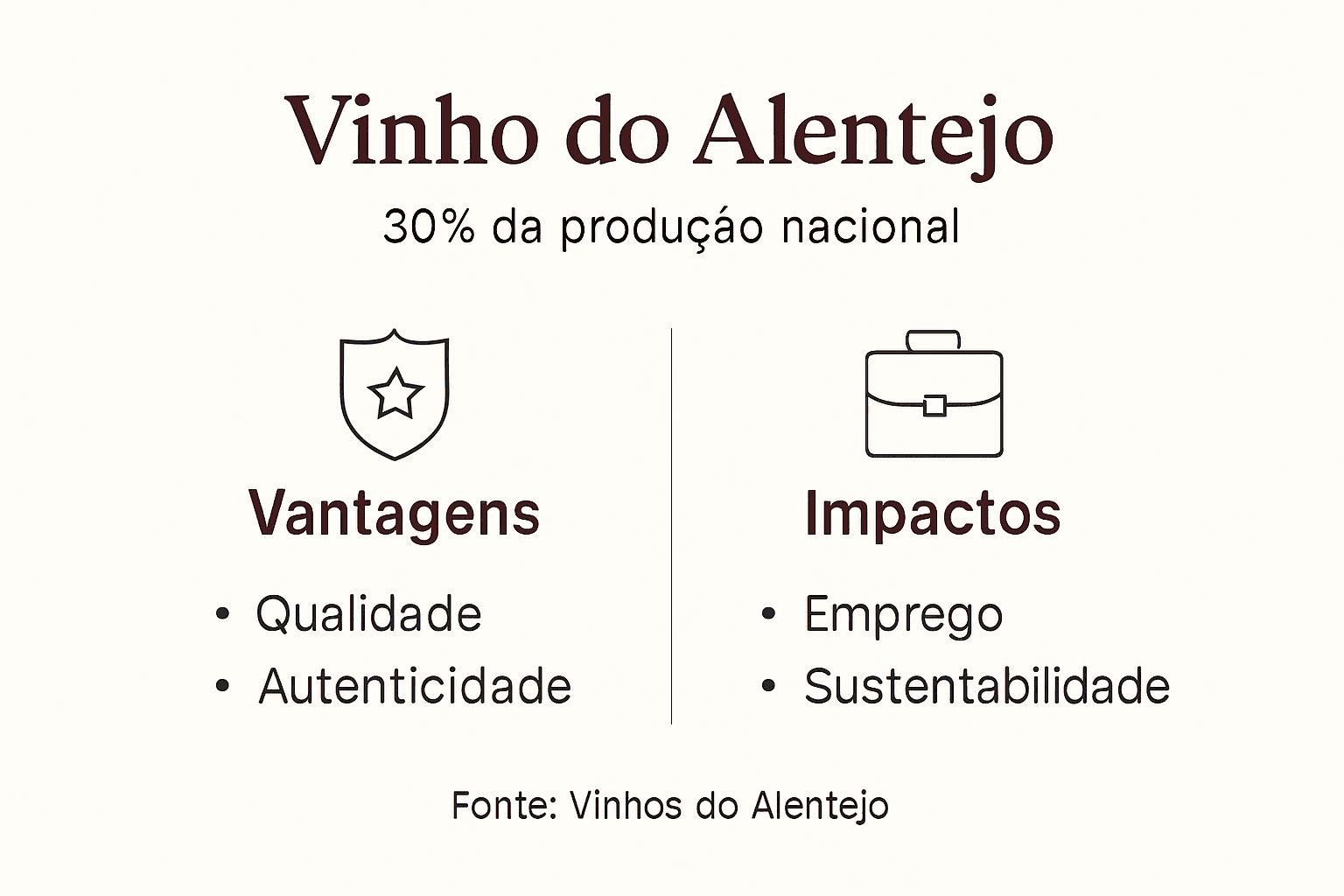
Portugal produces extraordinary wines, but few know that Alentejo accounts for 30% of total wine production in Portugal. This region offers unique grape varieties and a distinct climate that creates rich sensory profiles. Buying Alentejo wine means connecting with authentic Portuguese culture, supporting rural communities, and discovering balanced wines that combine tradition with digital innovation.
Index
- Introduction to Portuguese Wine and Alentejo
- Oenological Characteristics and Traditional Alentejo Varieties
- Cultural Connection and Regional Authenticity in Portuguese Wine
- Digital Innovation: Facilitating Direct Purchase and Consumer Experience
- Socio-economic Impact and Sustainability of Buying Alentejo Wines
- Common Myths about Portuguese Wine and Debunked Realities
- Comparison and Choice: Portuguese Wine versus International Wines
- Conclusion and How to Buy Portuguese Wine with Confidence
- Explore and Buy Authentic Wines with Xico Sabido
- Frequently Asked Questions about Buying Portuguese Wine
Key Points
| Point | Details |
|---|---|
| Dominant Production | Alentejo produces about 30% of all Portuguese wine, consolidating the region as a national leader. |
| Traditional Grape Varieties | Varieties like Aragonez define unique and authentic profiles of Alentejo wines. |
| Digital Sales | Direct-to-consumer models reduce costs by up to 25% and increase retention by 40%. |
| Social Impact | The sector generates over 50,000 jobs, and 35% of wineries adopt certified organic practices. |
| Accessibility | Contrary to myth, 60% of Portuguese wines are accessible and offer excellent value for money. |
Introduction to Portuguese Wine and Alentejo
Alentejo is one of Portugal's most emblematic wine regions. With vast plains, a warm Mediterranean climate, and diverse soils, the Alentejo terroir creates ideal conditions for viticulture. The region contributes 30% of Portugal's total wine production, establishing itself as a protagonist in the national wine identity.
Internationally recognized for its quality, Alentejo combines centuries-old tradition with modern techniques. Alentejo wines stand out for their rich sensory profiles: full-bodied reds, aromatic whites, and elegant fortified wines. This diversity reflects the historical heritage and innovative capacity of local producers.
Distinctive characteristics of Alentejo include:
- Mediterranean climate with hot summers and mild winters that favour slow ripening
- Granitic, schist, and limestone soils that impart minerality and complexity
- Viticultural tradition dating back to Roman occupation more than two thousand years ago
- Balanced production between quantity and quality recognized by international markets
- Variety of indigenous grape varieties preserved over generations
This combination of natural and cultural factors positions Alentejo as an indispensable reference for those seeking authenticity and excellence in Portuguese wines.
Oenological Characteristics and Traditional Alentejo Varieties
Traditional Alentejo grape varieties define the identity of the region's wines. Among red and white grapes, indigenous varieties stand out, expressing the unique character of the terroir. Aragonez, internationally known as Tempranillo, dominates red wine production: more than 70% of Alentejo red wines use the Aragonez variety in their blend.
This grape offers soft tannins, balanced acidity, and aromas of ripe red fruits with spicy notes. Another emblematic variety is Alentejo's Alicante Bouschet, recognized for its rare coloured pulp and chromatic intensity. Trincadeira, Castelão, and Touriga Nacional complete the red wine portfolio, each contributing unique characteristics.
For whites, Antão Vaz, Arinto, and Roupeiro create fresh, aromatic, and mineral wines. These Alentejo grape varieties withstand intense heat while maintaining acidity and freshness. Blending grape varieties in balanced lots is a common practice, allowing for complexity and depth.
Typical aromatic profiles include:
- Reds: ripe red fruits, sweet spices, notes of tobacco and leather in aged wines
- Whites: citrus, tropical fruits, white flowers, and mineral touches
- Balanced structure with soft tannins in reds and refreshing acidity in whites
- Moderate to high alcohol content reflecting the warm climate
Professional Tip: Try single-varietal Aragonez or Alicante Bouschet wines to understand the pure expression of each grape before exploring complex blends. This approach deepens sensory knowledge and promotes informed choices.
Cultural Connection and Regional Authenticity in Portuguese Wine
Alentejo wine transcends the physical product and embodies deep cultural narratives. The cultural identity of Alentejo has been intertwined with viticulture for centuries. Harvesting traditions, local festivities, and ancient practices shape contemporary production. Consumers value this connection: over 75% value history and local identity when choosing wines.
The rurality of Alentejo, with its landscapes of cork oak forests, olive groves, and extensive vineyards, inspires brand communication. Labels often depict regional elements: traditional architecture, local fauna, and cultural symbols. This visual authenticity reinforces the emotional connection between consumer and territory.
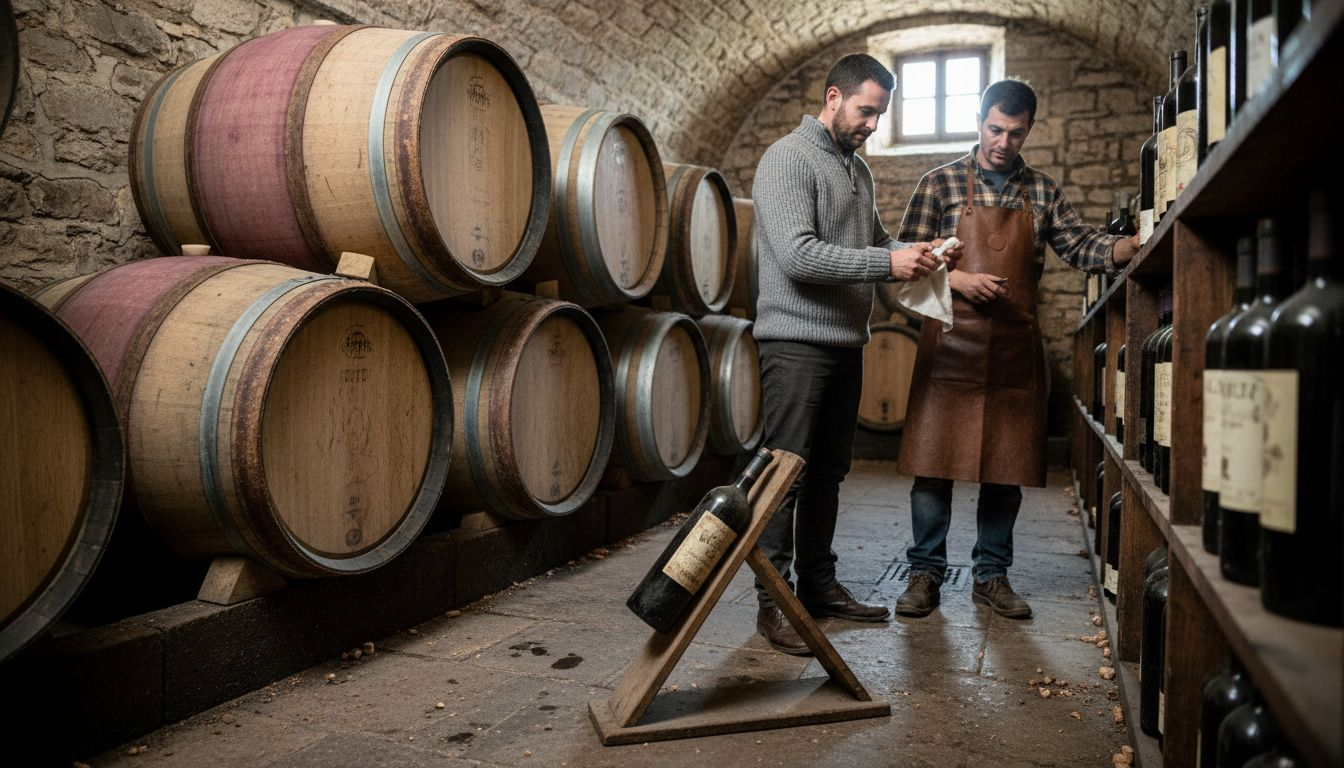
Family producers maintain traditional methods adapted to modernity. Winemaking in clay amphorae, a millennia-old practice recently revived, exemplifies the recovery of ancient knowledge. The valorization of local culture is not just marketing; it reflects a genuine commitment to heritage preservation.
Cultural elements present in Alentejo wines:
- Family narratives passed down through generations that underpin authentic brands
- Label design inspired by traditional tiles, landscapes, and regional iconography
- Cultural events such as wine fairs that celebrate collective identity
- Typical Alentejo gastronomy paired with local wines enhances the complete experience
- Regional language and expressions incorporated into brand communication
This authenticity differentiates Alentejo wines in saturated markets. Buyers don't just acquire a drink; they invest in stories, territory, and community. The symbolic value elevates the sensory experience and justifies conscious choices.
Digital Innovation: Facilitating Direct Purchase and Consumer Experience
Digital innovation in wine revolutionizes the distribution and purchase of Portuguese wines. E-commerce platforms eliminate traditional intermediaries, allowing for a direct relationship between producer and consumer. This structural change offers mutual benefits: producers increase margins and buyers access competitive prices.
Data demonstrates effectiveness: digital models reduce costs by up to 25% and increase customer retention by 40%. The personalized experience, preference-based recommendations, and access to detailed information about origin and production strengthen trust. Consumers appreciate transparency regarding sustainable practices and producers' stories available online.
Digital platforms allow consumers to buy wine online securely and conveniently. Rating systems and reviews from other buyers guide decisions. Subscriptions and wine clubs create engaged communities, transforming one-time transactions into lasting relationships.
Advantages of the digital model:
- Elimination of multiple logistical costs results in prices up to 30% lower than traditional retail
- Instant access to complete catalogues with detailed technical and sensory descriptions
- Traceability from vineyard to delivery strengthens consumer confidence
- Interactive tools like preference questionnaires guide personalized selection
- Direct communication with producers via chat or social media humanizes brands
Professional Tip: When buying online, look for platforms that offer transparent information about production practices, sustainability certifications, and verified reviews from other consumers. These features ensure authenticity and quality.
Socio-economic Impact and Sustainability of Buying Alentejo Wines
Alentejo viticulture generates a substantial socio-economic impact. The sector generates over 50,000 jobs, and 35% of wineries adopt certified organic practices, sustaining rural economies. Many communities directly depend on viticulture for subsistence and local development.
Buying Alentejo wines directly supports family farming and small producers. Financial resources remain in the region, funding infrastructure, education, and cultural preservation. This virtuous cycle strengthens community resilience in the face of rural depopulation affecting interior Portugal.
Environmental sustainability has become a growing priority. Organic, biodynamic certifications and regenerative agriculture practices are expanding. Efficient water management, biodiversity preservation, and carbon footprint reduction are commitments made by responsible producers.
| Indicator | Value | Source |
|---|---|---|
| Direct jobs | 50,000+ | Vinhos do Alentejo |
| Certified organic wineries | 35% | Vinhos do Alentejo |
| Contribution to regional GDP | 8% | Regional economic studies |
| Pesticide use reduction | 40% over the last 10 years | Sustainability reports |
The socio-economic impact of Portuguese wine extends to tourism. Wine tourism attracts visitors interested in authentic experiences, generating complementary revenues. Wine routes, winery tastings, and thematic events diversify local economies.
Common sustainable practices include rainwater harvesting, organic waste composting, solar energy use, and protection of natural habitats within properties. These initiatives not only reduce environmental impact but also improve wine quality by promoting ecological balance.
Common Myths about Portuguese Wine and Debunked Realities
Persistent myths about Portuguese wines limit their deserved recognition. A common misconception suggests that Portuguese wines are difficult to drink or excessively tannic. Reality contradicts this perception: 60% of produced wines are accessible, balanced, and suitable for everyday consumption.
Another myth claims that Portuguese wines are expensive or exclusive. The value-for-money of Alentejo wines compares favourably to international regions. Direct sales eliminate intermediary margins, democratizing access to premium wines.
Some assume that tradition means resistance to innovation. Portuguese producers combine ancestral methods with modern technology. Amphora winemaking coexists with computerized temperature control. This synthesis creates unique, technically impeccable wines.
Myths versus realities about Portuguese wine:
- Myth: Portuguese wines are all full-bodied and alcoholic. Reality: Variety spans light, fresh, and elegant styles suitable for different palates.
- Myth: Buying wine online compromises quality. Reality: Digital platforms ensure proper storage and transport, preserving characteristics.
- Myth: Alentejo wines are exclusively robust reds. Reality: The region produces aromatic whites, refreshing rosés, and fortified wines.
- Myth: Traditional production means inferior quality. Reality: Recovered ancestral methods elevate complexity and authenticity valued by the market.
- Myth: Organic certifications make wines prohibitively expensive. Reality: Growing scale and direct sales keep prices competitive.
Debunking these beliefs empowers consumers to make informed choices. Recognizing the diversity and accessibility of Portuguese wines broadens horizons and enriches oenological experiences.
Comparison and Choice: Portuguese Wine Versus International Wines
Comparing Portuguese with international wines reveals distinct competitive advantages. While regions like Bordeaux or Napa Valley offer global recognition, Alentejo wines provide cultural authenticity and superior value for money. Young consumers increasingly value origin: 45% prefer local wines for sustainability reasons.
Sensory profiles clearly differentiate them. French wines emphasize elegance and complex structure. Italian wines favour acidity and minerality. Portuguese wines balance ripe fruit, spices, and silky texture. Indigenous grape varieties create an unmistakable identity absent in standardized international varieties.
Sustainability and carbon footprint favour local choices. Intercontinental wine transport generates significant emissions. Buying Portuguese wine reduces environmental impact while maintaining equivalent or superior quality.
| Criterion | Portuguese Wine (Alentejo) | International Wine |
|---|---|---|
| Value for money | Excellent due to direct sales | Variable, often higher |
| Cultural connection | Strong regional identity and authentic narratives | Global recognition but less proximity |
| Sustainability | Growing organic practices and low transport footprint | Depends on origin, transport increases impact |
| Grape variety diversity | Unique indigenous varieties non-existent in other regions | Widely cultivated international varieties |
| Digital innovation | Rapid growth in direct e-commerce | Variable maturity depending on market |
Choosing between Portuguese and international depends on individual priorities. Do you value cultural authenticity, sustainability, and support for local economies? Alentejo wines stand out. Are you looking for established global recognition or specific styles from classic regions? International wines can satisfy.
However, the increasing quality and visibility of Portuguese wines eliminate the need for exclusive choices. Many connoisseurs maintain diverse cellars, exploring the best expressions from each origin.
Conclusion and How to Buy Portuguese Wine with Confidence
Buying authentic Portuguese wine requires knowledge and reliable sources. Direct digital platforms offer transparency, competitive prices, and quality assurance. Prioritizing producers with certified sustainable practices ensures environmental and social responsibility.
Checking authenticity involves confirming protected designations of origin, organic certification seals, and detailed information about the vineyard and winemaking process. Engaging with communities of connoisseurs through wine clubs and in-person events deepens knowledge and trust.
Practical steps to confidently buy Portuguese wine:
- Identify direct sales platforms that eliminate intermediaries and ensure complete traceability from production to delivery.
- Look for recognized certifications such as organic, biodynamic, or controlled designation of origin, which validate quality and authenticity.
- Read verified reviews from other consumers and consult detailed technical descriptions of grape varieties, terroir, and winemaking methods.
- Experiment with wines from different sub-regions of Alentejo to understand the diversity of sensory profiles offered.
- Participate in virtual or in-person tastings organized by producers to educate your palate and discover personal preferences.
- Support family producers and small wineries whose sustainable practices and cultural connection add significant value.
- Use digital models to buy wine that offer personalized subscriptions and recommendations based on purchase history.
Understanding the cultural context, oenological characteristics, and socio-economic impact transforms wine buying into a conscious act. Each bottle purchased supports rural communities, preserves traditions, and promotes sustainability. Informed choices elevate the sensory experience while contributing positively to the economy and environment.
Explore and Buy Authentic Wines with Xico Sabido
Discover the true essence of Alentejo through Xico Sabido wines. Produced in small batches with carefully selected grape varieties, each bottle tells a story connected to the territory and the people who inhabit it. The digital platform allows direct access to the best Alentejo wines, eliminating intermediaries and ensuring fair prices.

Get to know curated selections that reflect authentic regional identity. Explore balanced sensory profiles created by those who deeply understand the Alentejo terroir. Join the Compinchas community and actively participate in the journey of a brand committed to quality, sustainability, and innovation. Benefit from expert guidance when getting to know Portuguese wines that celebrate tradition and modernity. Discover Alentejo wines recognized for their unique expression. Plan memorable experiences by following the Alentejo wine route and genuinely connect with Portuguese wine culture.
Frequently Asked Questions About Buying Portuguese Wine
How to identify authentic Alentejo wines when buying online?
Check for protected designation of origin seals and organic certifications visible on digital labels. Reliable platforms provide detailed information about the vineyard, producer, and winemaking methods. Verified reviews from other buyers add a layer of security when choosing Portuguese wine.
Are Portuguese wines suitable for beginners or just for connoisseurs?
Portuguese wines offer a diversity that caters to all levels of experience. Balanced and accessible profiles, with 60% of production aimed at daily consumption, facilitate entry for beginners. Digital platforms offer personalized guidance, helping to gradually discover preferences.
What is the advantage of buying directly from the producer versus traditional retail?
Direct purchase eliminates intermediary margins, reducing prices by up to 30% while maintaining quality. Access to complete information about production, sustainable practices, and authentic stories enriches the experience. A direct relationship with the producer strengthens trust and allows for feedback that influences future harvests.
How do sustainable practices affect the quality and price of Alentejo wines?
Organic practices improve quality by promoting ecological balance in the vineyards, resulting in healthier grapes. Organic certifications can add initial costs, but direct sales and increasing scale keep prices competitive. Sustainability adds perceived value, justifying conscious choice without significant financial penalty.
Are there significant differences between Alentejo sub-regions?
Yes, sub-regions have distinct microclimates and soils, creating varied sensory profiles. Vidigueira stands out for robust red wines, while Évora produces elegant white wines. Exploring different sub-regions allows for understanding the breadth of expressions within Alentejo, expanding one's personal oenological repertoire.