

The role of wine influencers in Portugal: 2026
In short:
- Influencers are transforming the wine market in Portugal, boosting sales and changing cultural perceptions.
- Authentic campaigns, with short and contextualized content, generate high engagement and organic reach.
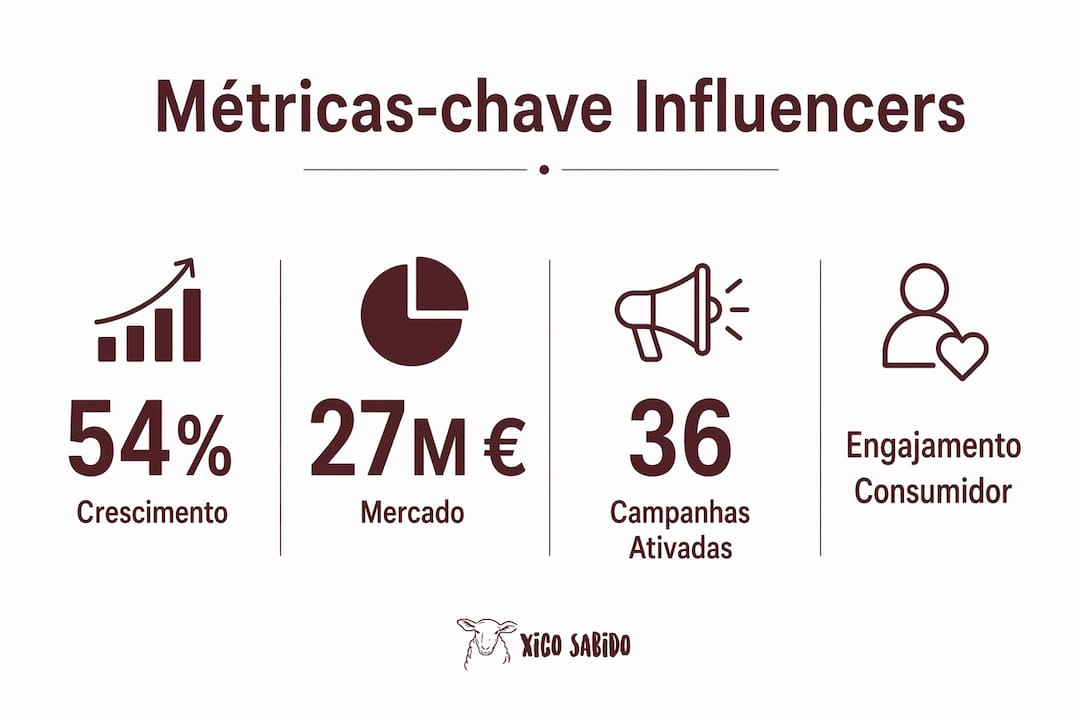
The role of influencers in wine is today one of the most significant drivers of change in consumer behavior in Portugal. A 15-second reel can sell out a bottle on the shelves before the end of the day. Investment in influencer marketing in Portugal reached 27 million euros in 2025, a 23% growth compared to 2024. This phenomenon is no longer a trend. It is the new reality of the Portuguese wine sector, and those who have not yet realized it are missing the boat.
How influencers shape wine trends in Portugal
Influencers transform digital recommendations into real purchasing decisions. This is their most concrete power in the wine sector. An authentic Instagram post or a TikTok video can create an emotional connection with a wine that no television ad has ever been able to replicate.

Short content makes wines go viral in ways that would have been unthinkable ten years ago. A 15-second reel with the right bottle, in the right light, with the right person speaking naturally, can cause an immediate sell-out. This happens because the recommendation seems to come from a friend, not a brand.
Generation Z is the audience that is most redefining the language of wine on social media. This generation rejects snobbish communication and prefers authenticity, clarity, and closeness. They want to relate to wine without barriers or unnecessary complexities. For brands, this means abandoning academic tones and speaking like real people.
The impact of influencers on wine goes beyond immediate sales. They change the cultural perception of the product, bring wine closer to audiences who never considered it, and create communities around a bottle. This community effect is what turns an occasional buyer into a loyal fan.
Pro tip: When following a wine influencer, check if they drink what they recommend outside of campaigns. Consistency is the clearest sign of authenticity.
Some patterns that define how influencers effectively promote wine:
- Situational content: showing wine at a real meal, at a sunset in Alentejo, in a conversation between friends. Context sells more than technical description.
- Accessible language: replacing "structured tannins" with "that wine that goes well with everything and doesn't get tiresome" is a strategic choice, not a simplification.
- Short formats as a trigger: 15-second ads create the initial impulse, but longer videos (above 60 seconds) enhance brand recall.
- Continuity: an influencer who mentions the same wine in three different posts over a month creates a habit. An isolated mention creates curiosity, but not loyalty.
How brands segment influencers by audience and positioning
Choosing the right influencer is not a matter of follower count. It is a matter of consistency between the message, the audience, and the emotional territory of the brand. Sogrape applies distinct strategies for different brands using the same set of digital tools and influencers, which demonstrates that positioning always precedes profile selection.
The Mateus brand, for example, chooses influencers aligned with lifestyle, music, and a spirit of togetherness. Planalto focuses on the technical characteristics of the wine and a more informed audience. These are two products from the same company with completely different approaches. This is not an accident. It is strategy.
Influencers in the wine sector are divided into profiles with distinct roles:
- Mega and macro influencers: represent only 2%–4% of the community, but have a disproportionate weight in the value generated, especially on Instagram. They are ideal for launches and brand awareness.
- Micro-influencers: dominate in number and have higher engagement rates. They are more credible for specific niches, such as natural wine, Alentejo wines, or gastronomic pairings.
- Lifestyle influencers: do not talk about wine directly but integrate it into their routines. They are most effective for audiences who do not yet identify as "wine connoisseurs."
- Gastronomic content creators: associate wine with food, conviviality, and culture. They create context and reduce the barrier to entry for new consumers.
The choice of influencers in wine goes beyond the product, incorporating lifestyle and emotional territories to strengthen the connection between brand and consumer. An Alentejo wine brand that chooses an urban influencer with no connection to the land is wasting its greatest asset: the authenticity of its origin.
For brands like Xicosabido, this logic is central. Alentejo has a soul of its own, and the millennials and Generation Z who seek authenticity recognize it when they find it.
What metrics define the success of an influencer campaign?
Influencer campaigns in wine are measured with concrete numbers, not feelings. Pró-Vinho activated 36 influencers in 2025 and plans for 60 in 2026, with a clear focus on return on investment. The results speak for themselves: over 2.5 million digital impressions and 9 million followers impacted, with 95% organic performance. This means that almost all reach was achieved without paid advertising.
| Metric | What it measures | 2025 Reference |
|---|---|---|
| Digital impressions | How many times content was viewed | 2.5M+ (Pró-Vinho) |
| Followers impacted | Total campaign reach | 9M+ (Pró-Vinho) |
| Organic performance | Percentage of reach without paid advertising | 95% |
| Number of active influencers | Scale of activation | 36 in 2025, 60 in 2026 |
Campaigns guided by specific goals of impressions, activation, and engagement separate effective actions from mere digital noise. A campaign without defined objectives is money flying into the wind, no matter how beautiful the photographs are.
Pro tip: Before launching an influencer campaign, define three priority metrics: reach, engagement rate, and conversion. Without these three, you cannot compare campaigns or improve.
Consumer involvement in brand decisions also amplifies results. Strategies that involve customers in wine selection generate 40% more engagement, transforming passive followers into active ambassadors.
What are the best practices for wine campaigns with influencers?
The organic integration of wine into real-life scenes is the most effective documented practice. An Italian product seeding and product placement campaign generated 515,000 views without paid advertising, integrating wine into real routines with complete creative freedom for influencers. The result was genuine credibility, not disguised advertising.
Practices that distinguish memorable campaigns from forgettable ones:
- Product seeding with continuity: sending wine to the influencer is not the end, it is the beginning. The relationship must be cultivated over time to create habit and spontaneous reference.
- Real creative freedom: giving the influencer the freedom to show the wine in their own way, in their context, with their language. Over-controlling the message kills authenticity.
- Natural integration into scenes: the wine appears on the dinner table, in conversations between friends, at a picnic in the sun. Never as an isolated product on a white background.
- Eliminate snobbery: communication that treats wine as an elite product alienates precisely the audiences brands most want to reach. Simplicity is sophistication.
- Layered activation: short videos create the initial impulse. Longer content, such as podcasts or videos of 60 seconds or more, deepens the message and builds loyalty.
The organic integration of wine with creative freedom builds trust and avoids the feeling of forced advertising. Portuguese consumers have a very keen radar for what is genuine and what is staged. And when they feel it's staged, they scroll past without hesitation.
Technology in wine and new forms of digital communication go hand in hand. Brands that understand this connection have a real advantage over those who still treat social media as a digital billboard.
Key takeaways
The role of wine influencers in Portugal is now a measurable commercial force, not a fleeting trend, and brands that ignore it lose reach, relevance, and real sales.
| Point | Details |
|---|---|
| Market growth | Investment in influencer marketing in Portugal grew 54% in three years, reaching 27 million euros in 2025. |
| Power of short content | A 15-second reel can sell out a wine on the shelves, especially among Generation Z. |
| Strategic segmentation | Brands like Mateus and Planalto use distinct influencer profiles according to their positioning and target audience. |
| Concrete metrics | Well-structured campaigns achieve millions of impressions with 95% organic performance, without paid advertising. |
| Authenticity as a rule | Natural integration of wine in real contexts generates more trust and engagement than direct advertising. |
What I've learned about influencers and wine over time
A few years ago, when I started closely observing how wine moved on social media, I confess I was skeptical. It seemed to me that wine was too complex, too full of history and terroir, to fit into a 15-second video. I was wrong.
What I realized was that the best wine influencers don't simplify the product. They simplify the entry point. They create an open door for those who never knew where to start. And that is a genuine service to wine culture, not a betrayal of it.
What concerns me, honestly, is the lack of continuity in many campaigns. An isolated mention does not create memory. It creates curiosity, perhaps. But memory is born from repetition, context, the story told over time. Brands that treat influencers as a message distribution channel lose what they have most valuable: the relationship of trust with their audience.
For regional brands like Xicosabido, this trend is a rare opportunity. Alentejo has stories that tell themselves. The vines whispering in the warm summer wind, the sun falling on the plains and entering the grapes, the passion of those who chose to stay or return. No paid advertisement tells this better than a real person, with a glass in hand, simply saying: "This wine tastes like home."
The future of wine in Portugal passes through here. Not by replacing tradition, but by translating it into a language that new consumers understand and feel as their own.
— Pedro
Discover Alentejo wine with Xicosabido
Alentejo wine has its own soul, and Xicosabido exists to share it with you directly, without intermediaries and complications. If this article made you want to understand better how a wine goes viral and wins over new enthusiasts, there is much more to explore.

Dive into Xicosabido's content on when a wine goes viral, discover the Alentejo grape varieties that influencers most recommend, and visit the online store to find your next favorite. Each bottle from Xicosabido is an Alentejo story that deserves to be told, shared, and savored. The "Compinchas" already know this. Now it's your turn.
Frequently asked questions
What is the role of influencers in the wine sector?
Influencers act as authentic bridges between wine brands and consumers, transforming digital recommendations into real purchasing decisions through organic and situational content on social media.
How do influencers effectively promote wine?
The most effective way is to integrate wine into real-life everyday scenes, with complete creative freedom. Campaigns with organic product placement generated 515,000 views without any paid advertising.
What is the impact of influencers on the wine market in Portugal?
The influencer marketing market in Portugal grew by 54% in three years, reaching 27 million euros in 2025, with the food and beverage sector being among the most active in this growth.
Are micro-influencers better than large ones for promoting wine?
It depends on the objective. Mega and macro influencers generate greater reach and value on Instagram, while micro-influencers have higher engagement rates and are more credible in specific niches such as natural or regional wine.
How to know if an influencer campaign for wine was successful?
Define three metrics before starting: total impressions, engagement rate, and conversion to sales. Structured campaigns like those of Pró-Vinho achieved 9 million followers impacted with 95% organic performance in 2025.