

Main Alentejo grape varieties: discover wines in 2026
Choosing wines in Alentejo can be challenging due to the diversity of grape varieties that characterize the region. The cultivated varieties define the authenticity and quality of Alentejo wines, reflecting the unique terroir and centuries-old winemaking tradition. This article reveals the main grape varieties that dominate the Alentejo wine landscape, helping to make informed choices and better appreciate the wines of this nationally and internationally recognized region. Understanding the characteristics of each variety allows one to discover distinct sensory profiles and connect to the regional identity through each bottle.
Index
- Key grape varieties of Alentejo: key points
- How to choose grape varieties in Alentejo: essential criteria
- Main red grape varieties of Alentejo: Trincadeira, Aragonez and Castelão
- White grape varieties of Alentejo: Antão Vaz and Arinto in focus
- Comparison of Alentejo's main grape varieties: table and recommendations
- Explore more about Alentejo wines with Xico Sabido
- Frequently asked questions about Alentejo grape varieties
Key grape varieties of Alentejo: key points
| Point | Details |
|---|---|
| Dominant red grape varieties | Trincadeira, Aragonez and Castelão are the most cultivated and representative red varieties in the region. |
| Valued white grape varieties | Antão Vaz and Arinto stand out for their quality, adaptability to the warm climate, and international recognition. |
| Authentic regional identity | Indigenous grape varieties reinforce the unique character of Alentejo wines and their differentiation in the market. |
| Essential climate adaptation | Alentejo's warm climate influences the selection of resilient varieties with intense aromatic profiles. |
| Growing recognition | The region is known for the quality of its wines, with recent international awards for white grape varieties. |
How to choose grape varieties in Alentejo: essential criteria
The selection of grape varieties in Alentejo responds to specific climatic and geological conditions that shape the wines' profile. The warm climate favors red grape varieties, accounting for 80% of regional production, while varied soils allow for diverse expressions even within the same variety. Understanding these criteria helps to value producers' choices and identify wines that genuinely reflect the Alentejo terroir, wines, culture, and tradition.
Adaptability to the extreme heat of the Alentejo summer is the primary selection criterion. Grape varieties that withstand high temperatures without losing acidity or freshness dominate the region. This resilience ensures balanced wines even in particularly hot years, maintaining the consistent quality that characterizes Alentejo production.
The aromatic profile and aging potential define the second layer of choice. Producers seek varieties that offer immediate aromatic complexity but also the ability to develop additional nuances over time. This duality allows for the creation of both young, vibrant wines and complex reserves that gain depth in the bottle.
Fundamental selection criteria include:
- Drought resistance and ripening capacity in a warm climate
- Balance between natural acidity and sugar concentration
- Intense aromatic expression that reflects regional character
- Versatility for different winemaking styles
- Compatibility with sustainable viticulture practices
Professional Tip: When choosing Alentejo wines, look for bottles that clearly identify the main grape varieties on the label. This transparency indicates producers who value authenticity and facilitates the discovery of your preferred profile over time.
The current trend values indigenous grape varieties that strengthen regional identity. Producers invest in traditional Portuguese varieties instead of international ones, creating distinctive wines that cannot be replicated in other regions. This approach strengthens Alentejo's competitive position in the global premium wine market.
Main red grape varieties of Alentejo: Trincadeira, Aragonez and Castelão
The red grape varieties define the robust and fruity character of the most emblematic Alentejo wines. These three varieties combine secular tradition with recognized quality, offering distinct sensory profiles that appeal to both local and international connoisseurs. Understanding their characteristics allows for more conscious choices and deeper appreciation.
The Trincadeira is characterized by its spicy character and balanced acidity, with intense notes of raspberry that mark the nose and palate. This grape variety adapts exceptionally well to the Alentejo heat, producing wines with medium to robust structure and a persistent finish. Trincadeira shines both in single-varietal wines and in blends, where it adds freshness and aromatic complexity.
Aragonez produces quality wines with hints of blackberry, strawberry, and plum, offering remarkable versatility in winemaking. Known internationally as Tempranillo, in Alentejo it expresses greater fruit concentration due to the warm climate. This grape variety allows for everything from young, accessible reds to complex reserves with aging potential.
Distinctive characteristics of the main red grape varieties:
- Trincadeira: vibrant acidity, spicy aromas, silky tannins, fresh finish
- Aragonez: intense ripe fruit, medium to full body, soft tannins, high versatility
- Castelão: aromatic complexity, firm structure, proven longevity, wild berries
Castelão stands out for its aging capacity and aromas of wild berries, developing fascinating tertiary nuances over time. This traditional Portuguese variety offers firm tannins in its youth that elegantly integrate after a few years in the bottle. Wines based on Castelão gain layers of leather, spices, and earth with age.
To explore these Alentejo red grape varieties in depth, consider tasting single-varietal wines before blends. This approach allows you to identify the specific contribution of each variety and develop informed preferences. The historical importance of these varieties in red wine production reflects centuries of careful adaptation and selection.
Pairing recommendations by grape variety:
- Trincadeira: grilled meats, semi-cured cheeses, dishes with aromatic herbs
- Aragonez: meat stews, traditional sausages, pasta with robust sauces
- Castelão: game, cured cheeses, dishes with intense and prolonged flavor
White grape varieties of Alentejo: Antão Vaz and Arinto in focus
Alentejo white grape varieties have recently gained international recognition for their exceptional quality and ability to surprise palates accustomed to whites from cooler regions. Antão Vaz and Arinto lead this white revolution, proving that Alentejo produces world-class white wines adapted to the warm climate.
Antão Vaz stands out for its aging potential and robustness, winning international awards in 2025 that placed Alentejo on the world podium for the best white wines. This heat-resistant grape variety maintains enough acidity for freshness while developing body and texture that support months or years in the bottle. Antão Vaz wines feature notes of ripe tropical fruits, honey, and almond.
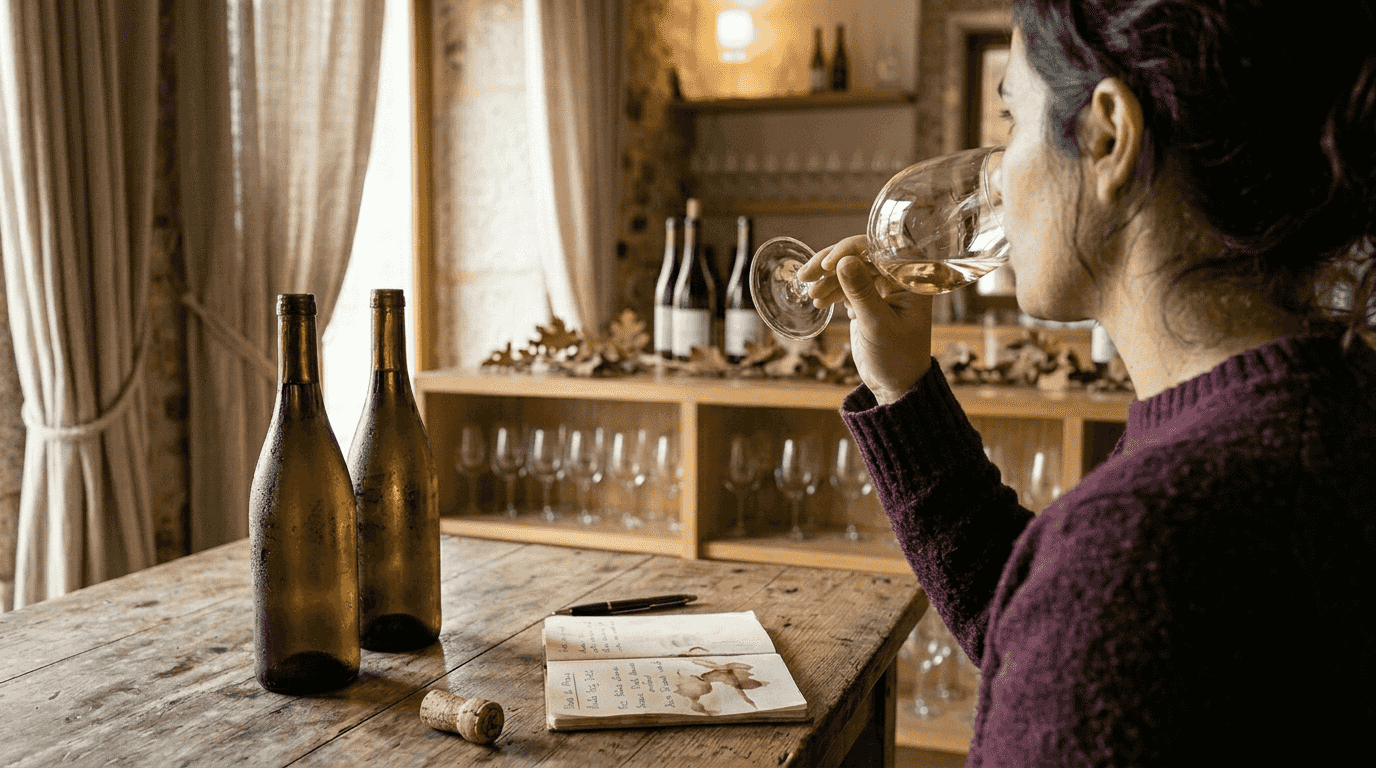
The versatility of Arinto allows for fresh and complex wines thanks to its high natural acidity that persists even in warm climates. This unique characteristic makes Arinto the backbone of many premium Alentejo whites, offering structure and longevity. The grape variety expresses marked minerality, vibrant citrus, and remarkable ability to reflect specific terroir nuances.
Aromatic profiles of the main white grape varieties:
- Antão Vaz: ripe tropical fruits, honey, almond, generous body, persistent finish
- Arinto: fresh citrus, green apple, minerality, high acidity, natural elegance
The growing international recognition of Alentejo whites reflects the technical maturity of producers and the intrinsic quality of these grape varieties. Wines that combine Antão Vaz and Arinto balance structure and freshness in an exemplary manner, creating complex profiles that evolve favorably in the bottle. This combination has become the signature of many premium white wines from the region.
Professional Tip: Alentejo whites based on Antão Vaz benefit from a slightly higher serving temperature than whites from cooler regions. Serving between 10 and 12 degrees allows for full appreciation of the texture and aromatic complexity that characterize this robust grape variety.
To deepen your knowledge of the Arinto grape variety in Portugal, explore wines from different sub-regions of Alentejo. The expression varies significantly between cooler and warmer zones, offering everything from vibrant citrus profiles to more mature and textured whites. This diversity within the same grape variety demonstrates the richness of the Alentejo terroir.
| Grape Variety | Main Aroma | Acidity | Body | Best Use |
|---|---|---|---|---|
| Antão Vaz | Tropical, honey | Medium | Full | Aging, blends |
| Arinto | Citrus, mineral | High | Medium | Freshness, versatility |
Comparison of Alentejo's main grape varieties: table and recommendations
Consolidating the characteristics of the main grape varieties facilitates informed choices and allows for quick identification of profiles that match personal preferences. The following table summarizes the essential attributes of each variety, offering a practical reference for connoisseurs and buyers.
| Grape Variety | Type | Main Characteristics | Aromatic Profile | Adaptability | Main Use |
|---|---|---|---|---|---|
| Trincadeira | Red | Balanced acidity, silky tannins | Raspberry, spices, freshness | Excellent in heat | Single varietals, premium blends |
| Aragonez | Red | Versatility, intense ripe fruit | Blackberry, strawberry, plum | Very high | All red styles |
| Castelão | Red | Longevity, complexity | Forest fruits, leather, earth | Good resistance | Aging wines |
| Antão Vaz | White | Structure, aging potential | Tropical, honey, almond | Heat resistance | Premium whites, aging |
| Arinto | White | High acidity, minerality | Citrus, green apple, mineral | Climatic versatility | Freshness, balanced blends |
Alentejo leads wine consumption in Portugal, highlighting the importance of local grape varieties in the national market and consumer preference for authentic wines. This position reflects both the quality of production and the strong regional wine culture that values traditional varieties.
Recommendations by connoisseur profile:
- Prefers fruity and accessible reds: prioritize Aragonez in single varietal or as the base for young blends
- Seeks complexity and aging potential: choose Trincadeira or Castelão from recognized producers
- Appreciates fresh and mineral whites: opt for Arinto-based wines from higher areas
- Values structured and textured whites: select Antão Vaz aged in barrel or bottle
The versatility of indigenous grape varieties allows Alentejo producers to create everything from accessible entry-level wines to premium reserves that compete internationally. This breadth reflects the intrinsic quality of the varieties and the technical capacity of regional oenologists. Knowing the profile of the grape varieties in Alentejo transforms the buying and tasting experience.
For gastronomic pairings, consider the weight and intensity of the dish when choosing the grape variety:
- Light and fresh dishes: Arinto or white blends with high acidity
- White meats and fatty fish: Antão Vaz or young Trincadeira
- Grilled red meats: Aragonez or balanced blends
- Game and intense dishes: aged Castelão or complex reserves
The authenticity of indigenous grape varieties guarantees unique experiences that cannot be replicated in other regions. This uniqueness is the main value of Alentejo wines in the global market, justifying the increasing international demand. Choosing based on the main grape varieties ensures genuine wines that reflect the terroir and centuries-old tradition of the region.
Explore more about Alentejo wines with Xico Sabido
Deepening knowledge about Alentejo grape varieties opens doors to fascinating discoveries and memorable experiences. The Xico Sabido platform offers detailed resources that complement this guide, allowing you to explore the region's wine diversity with specialized guidance and an authentic perspective rooted in the territory.
Discover in-depth articles about Alentejo grape varieties with Xico Sabido that explore additional varieties and specific winemaking techniques. These resources help build solid knowledge about what makes each grape variety unique and how local producers maximize the potential of each variety.

Plan your wine journey with the Alentejo wine route that reveals the best places to taste wines from the main grape varieties in an authentic context. Visiting producers allows you to understand the connection between terroir, grape variety, and winemaking style, enriching the appreciation of each bottle.
For practical guidance on selecting Portuguese wines, consult the guide on which wine to buy in Portugal which offers selection criteria based on occasion, budget, and personal preferences. The Xico Sabido community shares a passion for Alentejo wine culture and supports connoisseurs in discovering authentic wines that tell stories of the territory.
Frequently asked questions about Alentejo grape varieties
What are the most popular grape varieties in Alentejo?
Trincadeira, Aragonez, and Castelão dominate the production of Alentejo red wines, representing the most cultivated and recognized varieties in the region. Among the whites, Antão Vaz and Arinto stand out for their exceptional quality and adaptability to the warm climate. These grape varieties define the authentic style of Alentejo wines and the typical sensory profiles that characterize the region. The valorization of indigenous grapes reinforces regional identity and guarantees distinctive wines that cannot be replicated in other wine regions.
What is the influence of Alentejo's climate on the grape varieties?
The warm climate favors predominant red grape varieties with a fruity and robust profile, allowing for complete ripening and high aromatic concentration. The high temperatures of the Alentejo summer require resilient varieties that maintain natural acidity despite the intense heat. White grape varieties such as Antão Vaz and Arinto adapt exceptionally well thanks to their robust structure and ability to preserve freshness even in hot conditions. This climatic adaptation defines varietal selection and directly influences the character of the wines produced in the region.
Which white grape varieties are most valued in Alentejo?
Antão Vaz and Arinto are the most recognised and valued white grape varieties in Alentejo, having recently won international awards. Antão Vaz stands out for its ageing potential and generous structure, which allows for the creation of complex and textured white wines. Arinto is appreciated for its high natural acidity and versatility, ensuring freshness and elegance even in hot climates. These two varieties are leading the revolution of Alentejo white wines in the international market, proving the region's ability to produce world-class white wines.
How to choose the ideal grape variety for my taste?
Consider the flavour notes you most appreciate, such as intense red fruits, vibrant acidity, or a robust and textured structure. Evaluate the intended consumption context, deciding between wines for ageing, immediate consumption, or pairing with specific dishes. Experiment with single-varietal wines from different grapes to identify clear preferences before exploring complex blends. Consult specialised guides for wine selection in Portugal that offer detailed criteria based on personal profile and consumption occasion.
Are Alentejo grape varieties exclusive to the region?
Some grape varieties, such as Antão Vaz, are practically exclusive to Alentejo, while others, like Aragonez and Arinto, are grown in other Portuguese and international regions. The specific expression that each variety achieves in Alentejo results from the unique terroir, making the wines distinctive even when using well-known varieties. The warm climate, varied soils, and traditional techniques create sensory profiles that cannot be replicated elsewhere. This combination of indigenous grape varieties and unique territorial expression defines the authenticity of Alentejo wines in the global market.