

Explore the main types of wine tastings in Alentejo
Choosing the ideal type of wine tasting might seem straightforward, but it involves understanding different methodologies and objectives. For those who want to explore Alentejo wines, knowing the evaluation criteria and tasting formats makes the experience richer and more authentic. This article presents the main types of tastings, from horizontal to blind, and shows how each reveals unique characteristics of Alentejo grape varieties and terroir. Let's explore the methods that help discover the true identity of wines from this region.
Table of Contents
- Key Points for Understanding Wine Tasting Types
- Criteria and Methodologies for Evaluating Wine Tastings
- Main Types of Wine Tastings
- Examples and Characteristics of Tastings in Alentejo
- How to Choose the Ideal Wine Tasting for You
- Discover More About Alentejo Wines with Xico Sabido
- Frequently Asked Questions About Wine Tasting Types
Key Takeaways
| Point | Details |
|---|---|
| Tasting formats | There are horizontal, vertical, blind, guided, and grand tastings that explore different aspects of wines. |
| Sensory criteria | Evaluation is based on visual, olfactory, and gustatory analysis, using ISO glasses and QDA sheets. |
| Alentejo highlight | In Alentejo, tastings highlight indigenous grape varieties and the region's terroir. |
| Blind tastings | Blind tastings reduce bias and promote sensory learning. |
| Grand tastings | Grand tastings compare several wines to identify originality and quality. |
Criteria and Methodologies for Evaluating Wine Tastings
Before exploring the different types of tastings, it is essential to understand how wines are evaluated. Standard methodologies include visual, olfactory, and gustatory analysis with the use of ISO glasses and QDA evaluation sheets. These three pillars form the basis of any professional tasting.
Visual analysis examines color, clarity, and intensity. An Alentejo red wine might present deep ruby or garnet hues, indicating maturity and age. Clarity reveals the care in winemaking. Olfactory analysis identifies primary aromas from the grape variety, secondary aromas from fermentation, and tertiary aromas from aging. In an Alentejo wine, notes of ripe red fruits, spices, and sometimes woody touches are expected.
The gustatory phase evaluates tannins, acidity, body, and persistence. Tannins can be silky or firm, acidity balances the alcohol, and body reflects the overall structure. Persistence measures how long the flavors linger after swallowing. To taste wine like a professional, it is essential to master these dimensions.
A controlled environment is crucial. Standardized ISO glasses ensure that the format does not influence perception. Evaluation scales, such as the QDA method, allow for objective quantification of sensory characteristics. This system assigns numerical values to attributes like aromatic intensity, sweetness, and bitterness.
Professional Tip: Between tastings, cleanse your palate with water and plain bread. Avoid strong foods that mask nuances. Limit yourself to 6-8 wines per session to prevent sensory fatigue that compromises evaluation.
Main Types of Wine Tastings
There are several tasting formats, each with distinct objectives. Understanding these differences helps choose the most suitable experience for your interests.
-
Horizontal Tasting: Compares wines of the same vintage from different producers. Ideal for understanding how terroir and winemaking techniques influence the final result. In a horizontal tasting of Alentejo wines from 2023, you can discover how Trincadeira expresses itself in different sub-regions.
-
Vertical Tasting: Analyzes the same wine across several vintages. This vertical wine tasting reveals how the wine evolves over time and how different climatic conditions affect the sensory profile.
-
Blind Tasting: Labels are concealed to eliminate prejudices about brand, price, or prestige. It forces the taster to focus exclusively on sensory characteristics. Many experts consider this the most honest method of evaluation.
-
Guided Tasting: Led by an enologist or sommelier who explains each wine, contextualizing terroir, grape varieties, and winemaking. Perfect for learning, especially for those who want to deepen their knowledge of common types of wine tastings.
-
Grand Comparative Tastings: Bring multiple wines together side-by-side, often organized by region or style. They allow identification of trends, relative quality, and originality within a specific segment.
Each format serves different purposes. Horizontal tastings highlight regional diversity, vertical ones show temporal evolution, blind ones test pure knowledge, guided ones educate, and grand tastings map the landscape of a category.
Examples and Characteristics of Tastings in Alentejo
Alentejo offers a unique setting for wine tastings, thanks to the diversity of indigenous grape varieties and distinct terroirs. The Grand Tasting: Alentejo Reds tests 40 wines, highlighting originality, old vines, and challenges such as high alcohol content.
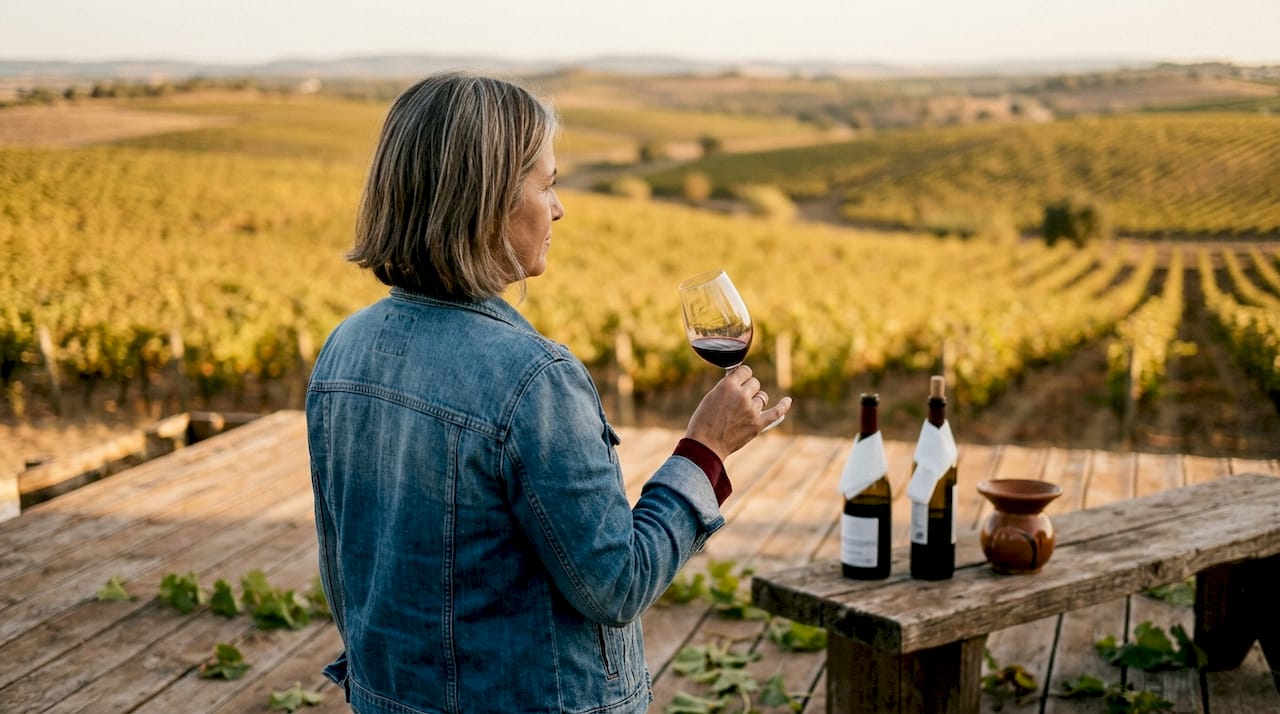
This tasting reveals interesting patterns. Many Alentejo wines have an alcohol content between 14% and 15.5%, a reflection of the warm, sunny climate. While this provides body and richness, it can mask aromatic nuances when excessive. Originality emerges in wines from old vines, where deep roots capture unique soil minerality.
| Characteristic | Description | Impact on Tasting |
|---|---|---|
| High alcohol | 14-15.5% common | Can mask delicate aromas |
| Indigenous grape varieties | Trincadeira, Alicante Bouschet | Unique expression of terroir |
| Old vines | Deep roots | Greater complexity and minerality |
| Uniformity | Some similar wines | Challenge to highlight originality |
Alentejo grape varieties](https://xicosabido.pt/as-castas-do-alentejo-com-xico sabido) like Trincadeira bring vibrant acidity and red fruit aromas. Alicante Bouschet offers intense color and firm tannins. Aragonês contributes structure and aging potential. The combination of these grape varieties creates balanced wines that reflect the regional identity.
The Alentejo terroir wines culture varies between plains and mountains. Vineyards on the plains benefit from clay soils that retain moisture, while those in the mountains face higher altitudes and cool nights that preserve acidity. This diversity allows for multiple profiles within the same region.
A challenge identified in grand tastings is uniformity. Some producers follow safe formulas, resulting in technically correct but unremarkably characterful wines. The wines that stand out are those that take risks, faithfully expressing their place of origin.
Professional Tip: Look for wines from old Alentejo vines. These plants, 30-50 years old or more, produce fewer grapes but with superior concentration and a more authentic expression of the terroir. They are true windows into the region's identity.
How to Choose the Ideal Wine Tasting for You
Selecting the appropriate type of tasting depends on your goals and level of knowledge. Consider what you want to achieve: in-depth education, social enjoyment, regional discovery, or rigorous technical evaluation.
-
Define your main objective. If you want to learn about winemaking and terroir, choose guided tastings. To test your palate without external influences, opt for blind tastings. If you wish to compare producers in a specific vintage, horizontal tastings are ideal.
-
Assess your experience level. Beginners greatly benefit from guided tastings where experts explain each aspect. Intermediate enthusiasts can explore horizontal or vertical tastings. Advanced connoisseurs appreciate blind tastings that challenge preconceived notions.
-
Consider the volume of wines. Grand tastings with 20-40 wines require stamina and concentration. Smaller sessions with 4-6 wines allow for more detailed analysis. To taste wine professionally, quality outweighs quantity.
-
Think about the social context. Guided group tastings create an educational and interactive environment. Blind tastings can become competitive and fun. Vertical tastings are perfect for special celebrations, exploring the evolution of a favorite wine.
-
Choose the focus region. If Alentejo is your interest, look for specialized tastings in this region. An Alentejo wine route can include visits to producers with on-site tastings, combining sensory experience with cultural immersion.
Blind tastings reduce bias, guided ones enhance the educational experience, tailoring suitability to the participant's profile. The key is to align the format with your expectations and be open to unexpected discoveries.
Blind tastings are particularly valuable for overcoming price prejudices. Many tasters are surprised to find that more affordable wines can outperform expensive bottles in sensory pleasure. This exercise frees you from marketing and allows you to appreciate the wine for what it truly is.
Discover More About Alentejo Wines with Xico Sabido
Now that you know the different types of tastings and how to choose the ideal one, it's time to deepen your journey through Alentejo wines. Xico Sabido offers exclusive resources for wine lovers who want to explore the authenticity of this region.

Discover Alentejo's grape varieties with Xico Sabido](https://xicosabido.pt/as-castas-do-alentejo-com-xico sabido) and understand how Trincadeira, Alicante Bouschet, and other indigenous varieties create unique profiles. Explore the [Alentejo wine route to plan visits to local producers and immersive experiences. Understand when a wine goes viral and how authenticity wins over modern palates. Join the Compinchas community and be part of a project that celebrates Alentejo in a digital and accessible way.
Frequently Asked Questions About Wine Tasting Types
What is the difference between horizontal and vertical tastings?
Horizontal tastings compare wines of the same vintage from different producers, revealing how terroir and techniques influence the result. Vertical tastings analyze the same wine across several vintages, showing temporal evolution and climatic impact. Both offer valuable perspectives but with distinct focuses.
How do blind tastings benefit wine evaluation?
Blind tastings eliminate information about brand, price, and prestige, forcing exclusive focus on flavor, aroma, and true quality. This method reduces psychological bias and allows for more honest evaluations. Many experts find that affordable wines outperform expensive bottles when tasted blind.
What makes Alentejo tastings special?
Alentejo stands out for the diversity of [Alentejo grape varieties](https://xicosabido.pt/as-castas-do-alentejo-com-xico sabido) such as Trincadeira and Alicante Bouschet, which express unique terroir. The warm climate and varied soils between plains and mountains create distinct profiles. Tastings in this region reveal wines with body, richness, and remarkable personality.
How many wines should I taste in a session?
For detailed analysis, limit yourself to 6-8 wines per session. More than that causes sensory fatigue, compromising the ability to distinguish nuances. Grand professional tastings can include 20-40 wines, but require technique and regular breaks to maintain acuity.
Are guided tastings suitable for beginners?
Yes, guided tastings are ideal for beginners. An expert contextualizes each wine, explaining terroir, grape varieties, and winemaking. This educational format accelerates learning and helps develop sensory vocabulary. Even experienced enthusiasts benefit from the perspective of a knowledgeable guide.