

Types of wine tourism experiences in Alentejo: complete guide
TL;DR:
- Wine tourism in Alentejo focuses on authentic experiences, such as manual grape harvesting and stays at family-run estates.
- The most genuine experiences connect with the terroir, rural traditions, and regional gastronomy.
- Awards and sustainable innovation reinforce the quality and authenticity of the sector in this region.
Alentejo is not just visited, it's experienced. When talking about wine tourism in this region, the challenge is not finding experiences, but choosing among so many that breathe authenticity, land, and passion. Between vineyards that whisper stories under the scorching sun and wineries where tradition dances with innovation, the offer is vast and tempting. This guide is for those who want more than just a wine tasting. For those looking to connect with the land, the people, and the soul of each bottle. Here you will find the right criteria, the most striking types of experiences, and the tools to choose the one that will stay etched in your memory.
Index
- How to choose authentic wine tourism experiences in Alentejo
- Eight essential types of wine tourism experiences in Alentejo
- Comparison between experiences: rurality, innovation, and tradition
- Recognition, sustainability, and innovation in Alentejo wine tourism
- What many overlook about wine tourism experiences in Alentejo
- Explore more and experience Alentejo wine tourism your way
- Frequently asked questions
Key Takeaways
| Point | Details |
|---|---|
| Value authenticity | Choose wine tourism experiences in a rural setting, with a direct connection to producers and tradition. |
| Diversity of options | In Alentejo, there's everything from grape harvests to innovative workshops, including tastings, picnics, and gastronomic experiences. |
| Best time: grape harvest | The months from late August to September offer unique and engaging experiences during the harvest. |
| National recognition | APENO awards celebrate innovative and sustainable projects in the region, such as Herdade da Malhadinha Nova. |
How to choose authentic wine tourism experiences in Alentejo
Now that you know Alentejo has a vast offer, it's important to understand how to choose truly authentic experiences. Not all visits are the same. There are proposals created for large groups, with formatted and soulless itineraries. And there are others that make you feel like you're part of something bigger, something rooted in that clay-colored soil.
The main criteria to consider:
- Rural authenticity: prefer experiences that value local traditions, contact with producers, and ancestral practices, such as foot-treading or talha wines.
- Connection to the terroir: the Alentejo terroir is a central element. Experiences that take you to the vineyard, that make you feel the earth and understand the climate, are always more valuable.
- Seasonality: the grape harvest, between August and September, completely transforms the experience. Autumn festivals have a different rhythm. Each season has its charm.
- Integrated gastronomy: a lunch with local products, a sausage grilled over coals before the tasting, makes all the difference.
- Human scale: small, family-run estates, where the producer greets you personally, offer a depth that large establishments rarely achieve.
According to data on wine tourism in Alentejo, the region is increasingly asserting itself as a national reference destination, with growing demand for genuine, rural-connected experiences. APENO advocates for authentic rural experiences as a central criterion for genuineness in the sector, emphasizing that the value of a visit lies precisely in what cannot be replicated elsewhere.
Professional Tip: Before booking, always ask the venue if it's possible to interact with the producer or winemaker. This often informal conversation can be the most enriching moment of the entire visit.
Eight essential types of wine tourism experiences in Alentejo
Having defined the criteria, it's time to learn about each type of experience and what awaits you in each one. Alentejo offers a rich and varied palette, suitable for very different visitor profiles.
As a reference, the types of wine tourism experiences in Alentejo include guided tours, grape harvests, picnics, workshops, stays, outdoor activities, gastronomic experiences, and cultural visits. Let's get to know them up close.
- Winery and vineyard tours: the classic starting point. You walk through the vineyards, understand the winemaking process, and finish with a guided tasting. Simple, but transformative when well done.
- Grape harvest experience: participating in manual harvesting and foot-treading is an experience that engages all senses. The smell of must, the weight of the baskets, the collective joy. Impossible to remain indifferent.
- Exclusive workshops: personalized blending, where you create your own wine, and Roman amphora tastings are unique proposals that connect you with the millennial history of this region.
- Picnics and harmonized lunches: imagine an open-air lunch, among ancient olive trees, with local wines accompanying each dish. A journey of flavor that goes far beyond the meal.
- Wine hotels and rural estates: sleeping in a historic estate, waking up to the silence of the countryside, and having breakfast among vineyards is a privilege that Alentejo offers at still affordable prices.
- Outdoor activities: bike rides through vineyards, sunset safaris, and stargazing with a glass in hand are experiences growing in popularity.
- Integrated regional gastronomy: lamb stew, Évora cheeses, Alentejo bread. When integrated into a wine tourism program, they make the visit truly complete.
- Cultural tourism combined with wine: visiting a winery inside a medieval castle, or participating in a tasting in a historic village, adds a layer of context that enriches everything.
“Alentejo wine is not just a drink. It's an entry ticket to a way of being in the world, slower, more present, and more flavorful.”
To plan your route, you can get inspiration from the Alentejo wine route with the ten best places to visit. And if you haven't chosen yet, the best wine tourism experiences in Portugal also offer useful perspectives for comparing regions.
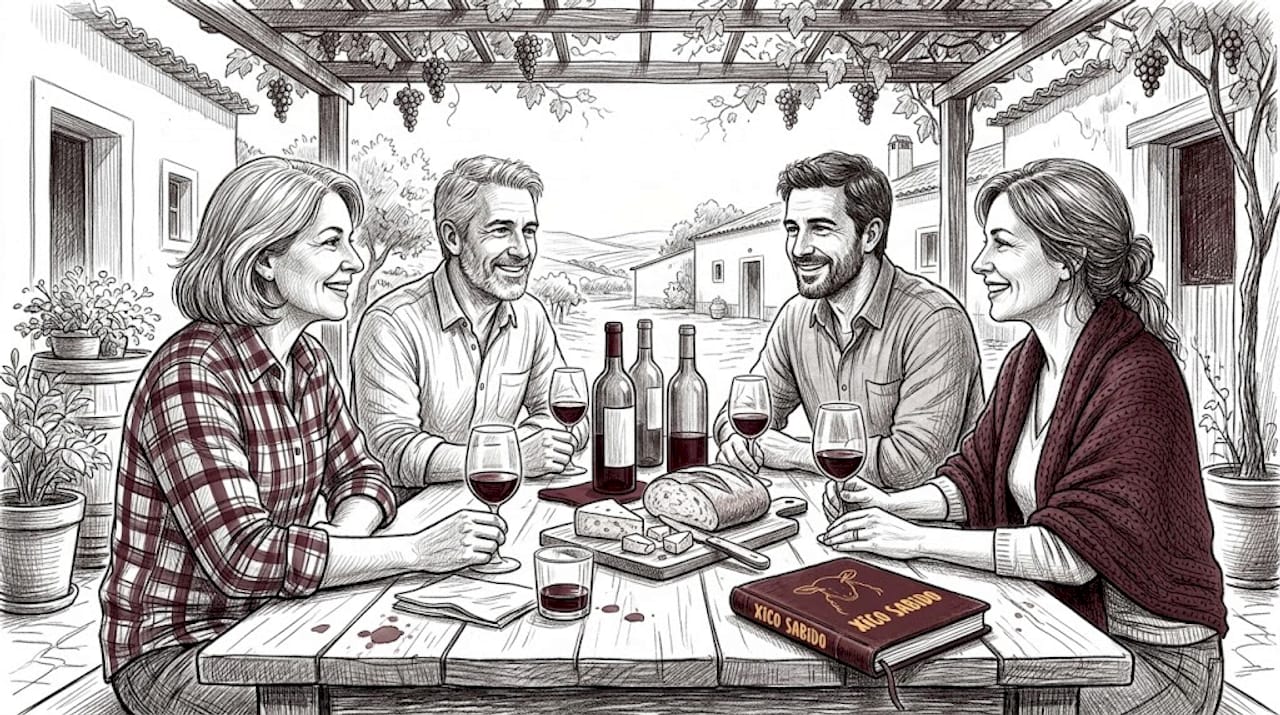
Comparison between experiences: rurality, innovation, and tradition
With the list of main types made, it's important to understand the main differences and what truly distinguishes an authentic Alentejo experience. Not all proposals have the same profile, and choosing well depends on knowing what you are looking for.
| Criterion | Rural experience | Urban/modern experience |
|---|---|---|
| Emotional involvement | Very high | Moderate |
| Contact with producer | Frequent and direct | Rare or mediated |
| Average cost (tasting) | €5 to €15 | €10 to €25 |
| Regional typicality | Maximum | Variable |
| Innovation and design | Growing | High |
| Local gastronomy | Integrated | Optional |
In 2023, wine tourism in Alentejo registered 160,148 visitors, a 27% increase, with 50% of Portuguese visitors primarily seeking authentic experiences. This number confirms that the trend is not fleeting; it is a structural transformation in how Portuguese people travel and consume wine.
Alentejo stands out for its accessibility and the deep synergy between wine, gastronomy, and rural landscape, compared to other regions like the Douro, where prices and massification are more pronounced.
The advantages of the most innovative proposals are noteworthy:
- Total personalization of the experience, as in blending
- Technology used to tell the story of the wine and the estate
- Programs designed for small and very demanding groups
To better understand what makes each wine unique in this region, the page on Alentejo grape varieties is an essential starting point. And for an in-depth comparison of available proposals, it is worth consulting the comparison of experiences available on different specialized platforms.
Recognition, sustainability, and innovation in Alentejo wine tourism
To conclude the overview of experience types, let's review national recognition and the constant investment in sustainable innovation. The sector is continuously evolving, and national awards clearly reflect this ambition.
The APENO Awards recognize innovation, sustainability, and authenticity, with special emphasis on Alentejo projects that combine tradition and contemporary vision. These distinctions serve as a reliable guide for those who want to choose with confidence.
Some reference practices in sustainable Alentejo wine tourism:
- Use of renewable energies in production facilities and visitor reception areas
- Preservation of indigenous grape varieties at risk of extinction, as a way to maintain biodiversity
- Integration of local communities into programs, creating employment and valuing traditional knowledge
- Waste reduction with biodegradable packaging and composting programs
- Active ecotourism, with hiking trails and bicycle tours that do not disturb the ecosystem
| Award category | Highlight example |
|---|---|
| Innovation | Personalized blending workshops |
| Sustainability | Herdade da Malhadinha Nova |
| Rural project | Initiatives for at-risk grape varieties |
| Best experience | Open-air Roman amphora tastings |
Herdade da Malhadinha Nova is frequently cited as a reference for best practices, combining discreet luxury with genuine environmental awareness. The secret lies in not mass-producing. Each visit is treated as unique, each group receives attention that is rarely found in more developed tourist destinations.
Professional Tip: When researching experiences, check if the venue appears in APENO Awards listings or specialized publications. This recognition is a strong indicator of quality and differentiation. To discover seasonal events that complement these visits, wine festivals in Portugal offer unique opportunities for immersion.
What many overlook about wine tourism experiences in Alentejo
After analyzing the awards, innovation, and sustainability, it is important to reflect on what truly makes a memorable experience. And the truth is uncomfortable: most guides always repeat the same options.
The big names, the photogenic estates, the most shared packages on social media. All of this is correct, but it reduces Alentejo to a simplified version of itself. What truly transforms a visit into a memory are the invisible details.
The conversation with the producer who tells you how his grandfather planted those vines. The glass of wine tasted still inside the winery, with the silence of the afternoon around. The small historical detail that the guide mentions almost in passing. It is in these moments that wine tourism becomes something that cannot be bought, only experienced.
True excellent wine tourism cannot be mass-produced or copied. Our advice, here at Xico Sabido, is simple: choose fewer experiences, but live them more deeply. Take time to stay, to ask questions, to get lost in a conversation or an afternoon among vineyards. And when you want to know more about the universe behind each bottle, you can always learn more about wine and the history that shapes it.
Explore more and experience Alentejo wine tourism your way
Alentejo has experiences for all tastes, from relaxed family visits to exclusive workshops for the most discerning connoisseurs. The most important thing is that each of them brings you closer to the land, the people, and the free spirit that defines this region.

At Xico Sabido, you will find suggestions, stories, and authentic wines born from this same passion for the territory. If you still don't know where to start, the guide with the 10 best wine tourism locations is your starting point. Do you want to know more about the grape varieties that give soul to these wines? Discover everything about the Alicante Bouschet grape variety, the red jewel of Alentejo. And when you're ready to take a piece of Alentejo home, you can buy Alentejo wines directly, without intermediaries.
Frequently asked questions
What are the most authentic wine tourism experiences in Alentejo?
The most authentic experiences value rurality, such as manual grape harvests, wine tastings in family wineries, and stays at traditional estates. Experiences that combine wine with the rural Alentejo terroir are the most valued by national and international visitors.
How much does it cost to participate in a wine tourism experience in Alentejo?
Simple tastings cost between €5 and €15, while exclusive workshops and accommodation can range from €80 to €160. In Alentejo, wine tastings cost €5 to €15, and rural hotels are between €80 and €160 per night, making the region an accessible option compared to others.
What is the best time of year for wine tourism in Alentejo?
The harvest season, between late August and September, is preferred for practical and authentic experiences. The seasonality of the grape harvest from August to September attracts those who want to actively participate in the wine cycle.
Are there innovative or different wine tourism experiences in Alentejo?
Yes, such as personalized blending workshops or Roman amphora tastings, recognized nationally and internationally. Personalized blending and amphora experiences are innovative references that distinguish Alentejo in the European wine tourism landscape.