

Digital wine: authenticity and trade in Alentejo
The concept of digital wine confuses many connoisseurs, but it's not just about online marketing or e-commerce sales. We are talking about blockchain technology applied to viticulture, where each bottle gains a unique and immutable digital identity. For Alentejo, a region with a strong winemaking tradition, this innovation represents an opportunity to reinforce the authenticity of its wines in an increasingly demanding global market. Tokenization allows tracking the entire production chain, from the vineyard to the final consumer, creating absolute transparency. This article explains how this technology works, its specific benefits for Alentejo wines, and why it is transforming the premium wine trade.
Index
- Key points
- Understanding the concept of digital wine
- Digital wine and the regional identity of Alentejo
- Challenges and opportunities of digital wine in the current market
- Discover more about Alentejo wines and technology with Xico Sabido
- Frequently asked questions about digital wine and authenticity
Key Takeaways
| Point | Details |
|---|---|
| Blockchain authenticity | Each bottle receives an immutable digital token that records origin, production history, and distribution, ensuring verifiable authenticity. |
| Tokenization and trade | Tokenization allows buying and selling stakes in high-value wines without physically moving the bottles. |
| Informative QR codes | Labels with QR codes allow consumers to access the full history of the bottle and confirm authenticity. |
| Sustainability in Alentejo | In Alentejo, this technology helps demonstrate the quality and compliance with sustainability protocols by producers. |
| Tradition and digital innovation | Technology links winemaking tradition with digital innovation, valuing producers and the Alentejo region. |
Understanding the concept of digital wine
Digital wine represents much more than simply selling bottles through online platforms. It's about creating a unique digital representation for each wine, using blockchain technology to record its entire production history in a permanent and transparent way. Each bottle receives a digital token, acting as an unforgeable certificate of authenticity.
Blockchain tokenization with NFTs allows data on grape origin, winemaking process, storage conditions, and distribution chain to be recorded on a decentralized network. No one can alter this information retroactively, creating absolute trust for buyers and collectors. The system works through smart contracts that automatically execute transactions when certain conditions are met.
QR codes on labels serve as a gateway to this digital universe. By scanning the code with a smartphone, consumers instantly access the complete history of that specific bottle. They can verify authenticity, learn about the producer, understand the characteristics of the terroir, and even track the physical journey of the wine from the winery to the point of sale.
Professional Tip: Whenever you buy a wine with integrated digital technology, scan the QR code before making payment to confirm that the data matches the physical product and that the token has not been previously activated.
The trade of tokens represents a significant logistical revolution. Investors can buy and sell stakes in high-value wines without the need to physically move the bottles, which remain stored in ideal controlled conditions. This functionality is particularly relevant for age-worthy wines, where storage conditions directly impact future value and quality.
Pioneering projects like Origem RS tokenize entire vintages, allowing consumers to access detailed information about each production stage via QR code. The system records everything from soil analysis and climatic conditions during grape growth to specific enological decisions made during winemaking. This radical transparency completely differentiates digital wine from the traditional model, where the consumer relies exclusively on brand reputation.
“Blockchain technology eliminates intermediaries and creates a direct relationship between producer and consumer, ensuring that each bottle tells its true story without the possibility of manipulation.”
For Alentejo producers, this technology offers a significant competitive advantage. It allows them to objectively demonstrate the quality of production processes, the authenticity of the grape varieties used, and strict adherence to sustainability protocols. In a global market saturated with counterfeits and misleading labels, this technological transparency becomes a powerful commercial differentiator.
Digital wine and the regional identity of Alentejo
Alentejo positions itself strategically at the forefront of viticultural digitalization, combining secular tradition with technological innovation to reinforce regional authenticity. The region understands that technology does not replace terroir, but rather amplifies the ability to communicate and prove the genuineness of its wines to increasingly informed and demanding consumers.
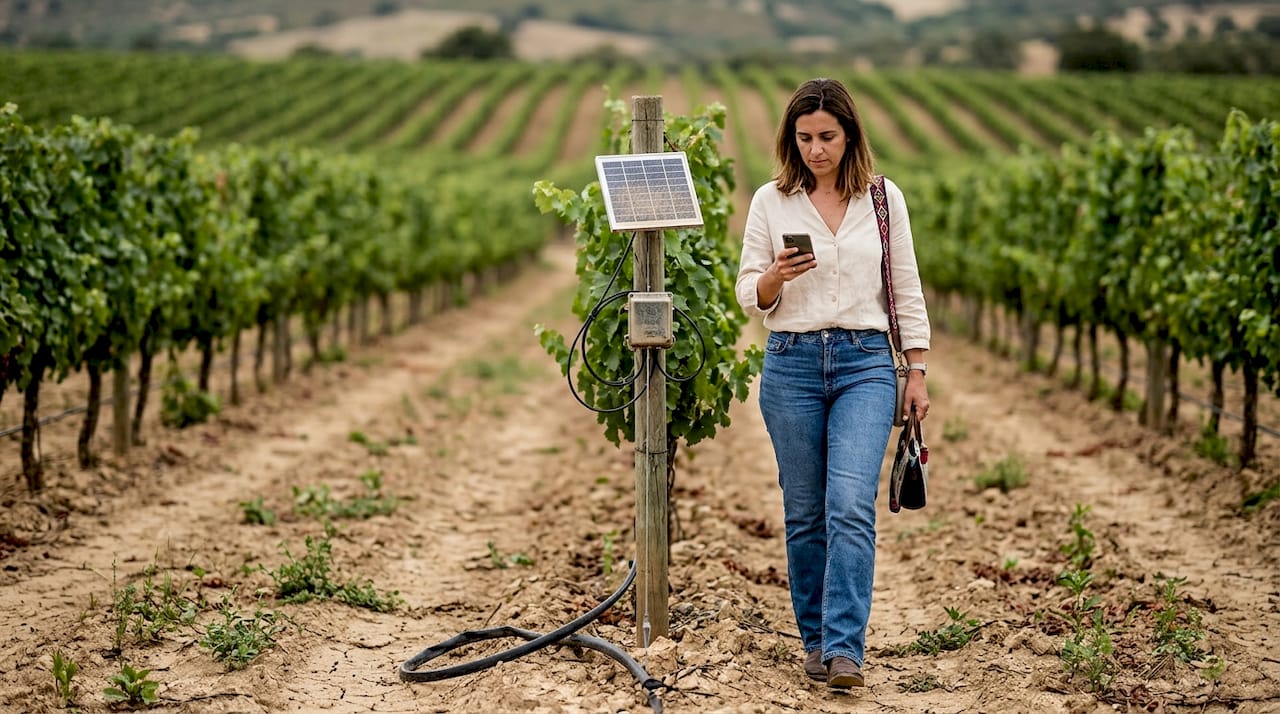
Sustainability constitutes a fundamental pillar of this digital strategy. Alentejo has 60% of its vineyards certified by the WASP (Wine Alentejo Sustainability Program), and since 2025 has implemented rigorous ASAE-CVRA protocols to control harvests and ensure authenticity from vintage. These digital systems record every production stage, creating an auditable trail that proves compliance with environmental and quality standards.
ASAE-CVRA protocols act as digital guardians of genuineness. They rigorously control the origin of the grapes, verify that only authorized varieties are used in wines with a denomination of origin, and ensure that the declared volumes correspond exactly to the quantities harvested. This digital oversight eliminates fraudulent practices that have historically damaged the reputation of wine regions.
Professional Tip: When choosing Alentejo wines, look for references to WASP or PSVA certifications on the labels or producers' websites. These guarantees demonstrate a commitment to sustainable practices and complete digital traceability.
Viticultural digitalization goes far beyond certification. Alentejo producers use IoT sensors in the vineyards to monitor soil moisture, temperature, solar exposure, and water stress in real-time. Mobile applications allow winemakers to remotely monitor grape development and make decisions based on precise data. Sogrape implements complete digitalization of the production chain, preparing infrastructure for future tokenization of its premium ranges.
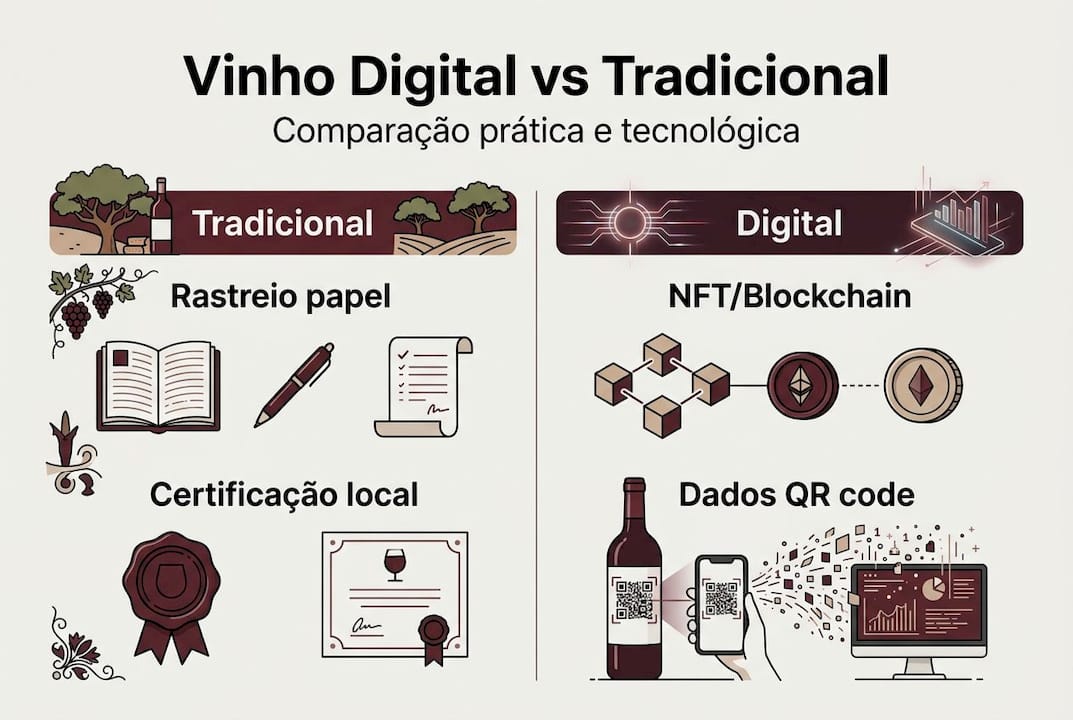
| Aspect | Traditional Practices | Digital Wine |
|---|---|---|
| Traceability | Manual paper records | Blockchain with immutable data |
| Origin certification | Periodic audits | Automated continuous verification |
| Consumer information | Limited back label | Full access via QR code |
| Combating counterfeiting | Physical seals | Unique token impossible to duplicate |
| Productive transparency | Information controlled by the producer | Objectively verifiable data independently |
This digital transformation directly values the Alentejo terroir by allowing consumers to understand how the Mediterranean climate, poor soils, and thermal amplitude influence the specific organoleptic characteristics. Technology makes tangible what was previously just marketing discourse, transforming abstract concepts into verifiable data.
The indigenous grape varieties of Alentejo particularly benefit from this digital transparency. Varieties such as Antão Vaz, Arinto, Trincadeira, and Aragonês gain greater recognition when consumers can access detailed information about their characteristics, suitability for the local terroir, and specific contribution to the wine's final profile. Digitalization educates the market and creates a deeper appreciation for regional viticultural diversity.
Smaller producers find in digital technology an opportunity to compete equally with large brands. By objectively demonstrating the quality of their processes and the authenticity of their wines, small Alentejo wineries can access international markets that were previously reserved for players with massive marketing budgets. Technology democratizes access to the final consumer.
Challenges and opportunities of digital wine in the current market
The transition to digital wine faces significant resistance, but the commercial and qualitative opportunities justify the technological investment. The wine market is traditionally conservative, and many producers question the need to add digital complexity to an age-old product that has always relied on reputation and sensory experience.
| Benefits | Obstacles |
|---|---|
| Elimination of counterfeits | High initial implementation costs |
| Full transparency of the production chain | Cultural resistance from traditional producers |
| Access to global digital markets | Still limited technological infrastructure |
| Liquidity through token trading | Undefined legal regulation |
| Complete traceability for certifications | Significant technical learning curve |
The adoption of digital wine remains slow, but pilot projects demonstrate commercial viability and growing acceptance by premium consumers. Pioneering wineries report that technology increases credibility, allows justifying higher prices, and creates possibilities for royalties through token resale in the secondary market. Each transaction can generate automatic commission for the original producer through smart contracts.
To broaden the adoption of digital wine in the global industry, several critical steps need to be taken:
- Development of universal technical standards that allow interoperability between different blockchain platforms and regional certification systems.
- Creation of clear regulatory frameworks that define the legal nature of wine tokens and the responsibilities of each agent in the digital chain.
- Reduction of implementation costs through more accessible and scalable technological solutions for producers of all sizes.
- Mass education of consumers about the practical benefits of the technology, demonstrating tangible value beyond technological novelty.
- Establishment of reliable digital marketplaces where wine tokens can be traded securely and with adequate liquidity.
Professional Tip: Follow platforms specializing in digital wine and wine blockchain to identify early investment opportunities in premium wine tokens with significant appreciation potential.
Wineries such as Château Angélus in Bordeaux and Yao Family Wines in California have already implemented complete tokenization systems, demonstrating that the technology works on a commercial scale. Their success stories inspire other producers and accelerate the adoption curve. The Asian market, particularly China, shows a special appetite for digitally certified wines due to the prevalence of counterfeits in the traditional market.
“Visions for the future of wine are divided between optimism for the bridge between tradition and innovation, and skepticism due to technical and cultural limitations that still need to be overcome.”
The potential for combating counterfeiting represents perhaps the most compelling argument for the adoption of digital wine. It is estimated that 20% of premium wines traded globally are counterfeits, causing billions in losses to legitimate producers and disappointing consumers. Blockchain technology makes counterfeiting technically impossible, protecting both producers and buyers.
For Alentejo, this technology opens doors in sophisticated markets where authenticity is a fundamental purchasing criterion. Consumers willing to pay a premium for sulfite-free wines or those produced according to biodynamic methods value the ability to independently verify these characteristics through immutable blockchain records.
The future of wine inevitably involves technological integration, but the pace and format of this transformation are still being defined. Producers who start their digital journey now are strategically positioned to lead the market when mass adoption occurs. The question is not whether digitalization will happen, but when and how each region and producer will adapt to this new reality.
Discover more about Alentejo wines and technology with Xico Sabido
If this dive into the world of digital wine has piqued your curiosity about how tradition and innovation meet in Alentejo, Xico Sabido offers valuable resources to deepen your knowledge. The brand was born precisely from this vision of connecting regional authenticity with modern and direct commercial practices.

Explore detailed content on Alentejo terroir, wines, culture, and tradition to understand how the territory shapes the unique characteristics of wines from this region. Also discover what the most expensive wine in the world is and understand the factors that transform certain bottles into objects of global desire, many of them now protected by blockchain technology.
For those interested in the cultural phenomenon surrounding wine, the article on when a wine goes viral analyzes how social media and digital commerce are transforming the way we discover and appreciate wines. Xico Sabido represents this new generation of producers who embrace innovation without compromising regional identity and the quality of the final product.
Frequently asked questions about digital wine and authenticity
How can I verify wine authenticity digitally?
Scan the QR code on the label with your smartphone to access the complete blockchain record. Confirm that the token is active, verify the producer's data, and compare the digital information with the physical characteristics of the bottle. Reputable platforms show the complete history from the vineyard to the point of sale.
Can digital wine be bought and sold without the physical bottle?
Yes, digital tokens can be traded on specialized marketplaces while the physical bottles remain stored in certified cellars under ideal conditions. The token owner has legal rights to the physical bottle and can request delivery at any time. This functionality is particularly useful for investment wines and long-term storage.
Which certifications guarantee the sustainability of Alentejo wines?
The WASP program certifies sustainable practices in 60% of Alentejo vineyards, while the PSVA protocol guarantees verified sustainable production. The ASAE-CVRA systems digitally control the entire chain from harvest, ensuring compliance with rigorous environmental standards. Look for these acronyms on labels or producers' websites to confirm a verifiable commitment to sustainability.
Is there a risk that digital wine is a passing fad?
Technology solves real problems such as counterfeiting, lack of transparency, and logistical difficulties in premium wine trading. These needs will remain relevant regardless of trends. Gradual adoption by large wine groups and the creation of regulatory infrastructure suggest that this is a structural evolution, not a temporary fad.
How does technology impact the value and exclusivity of digital wines?
Digital certification increases trust and allows for justifying premium prices through demonstrable transparency. Tokenized wines gain liquidity in the secondary market, potentially appreciating faster than traditional equivalents. Complete traceability and the impossibility of counterfeiting make these bottles more desirable for serious collectors looking to buy Portuguese Alentejo wine with absolute guarantees of authenticity.
Recommendation
- Alentejo Terroir: Wines, Culture and Tradition - Xico Sabido
- Buy Portuguese Alentejo Wine: 30% of National Production
- The Grape Varieties of Alentejo with Xico Sabido - Xico Sabido
- Alicante Bouschet: The Red Jewel of Alentejo - Xico Sabido
- Rosé ECO Rosado Bobal Autentico Organic – Utiel-Requena, Spain (20 li – Tap & Joy